Building SaaS is more than building features#
A SaaS product carries a layer of plumbing that ordinary web applications don't: tenants whose data must never mix, subscriptions and failed payments, roles and permissions, usage limits, onboarding, admin tools, audit trails and background processing. Customers never see most of it, but they notice immediately when it breaks.
Getting that foundation right early is what lets you ship features quickly later. Getting it wrong usually shows up just as customers arrive: a permissions bug that exposes one customer's data to another, a billing edge case that charges twice, or a database that slows to a crawl under the first big account. Fixing those under pressure costs far more than building them properly the first time.
I've built SaaS platforms from a blank repository and modernized ones already in production, on both Laravel and Next.js.
Signs you need a SaaS developer, not just a web developer#
- You're validating a SaaS idea and need an MVP that can become the real product rather than a prototype you throw away.
- You're adding billing, teams or roles to a product that was built for a single customer or a single user type.
- Your SaaS is slowing down as accounts and data grow, and reports or imports are starting to time out.
- Customers are asking for integrations, an API or single sign-on, and the current architecture wasn't designed for it.
- You need a technical partner who has shipped SaaS before, not someone learning on your product.
What I build for SaaS products#
Multi-tenant architecture#
Tenant scoping is enforced at the data layer, not remembered in every query, so one customer can never see another's data because of a single missed filter. I choose between a shared database and per-tenant isolation based on your customers' requirements.
Subscriptions and billing#
Plans, trials, upgrades and downgrades, proration, failed-payment handling and invoices, integrated with Stripe. Webhooks are verified and processed idempotently, which matters more than it sounds: providers do resend events, and a duplicate must never create a duplicate charge. Read more in e-commerce and payment integrations.
Roles, permissions and audit trails#
Roles that match how your customers' teams actually work, with permissions down to individual actions. Sensitive changes are recorded in an audit log, which enterprise customers increasingly expect.
Admin and back-office tools#
Your team needs to look up accounts, fix data, handle support and see what's happening. I build admin dashboards alongside the product, so operations don't depend on database access.
Integrations, automation and APIs#
Webhooks, public APIs, scheduled jobs and connections to the tools your customers use. See API development & integrations.
Performance at scale#
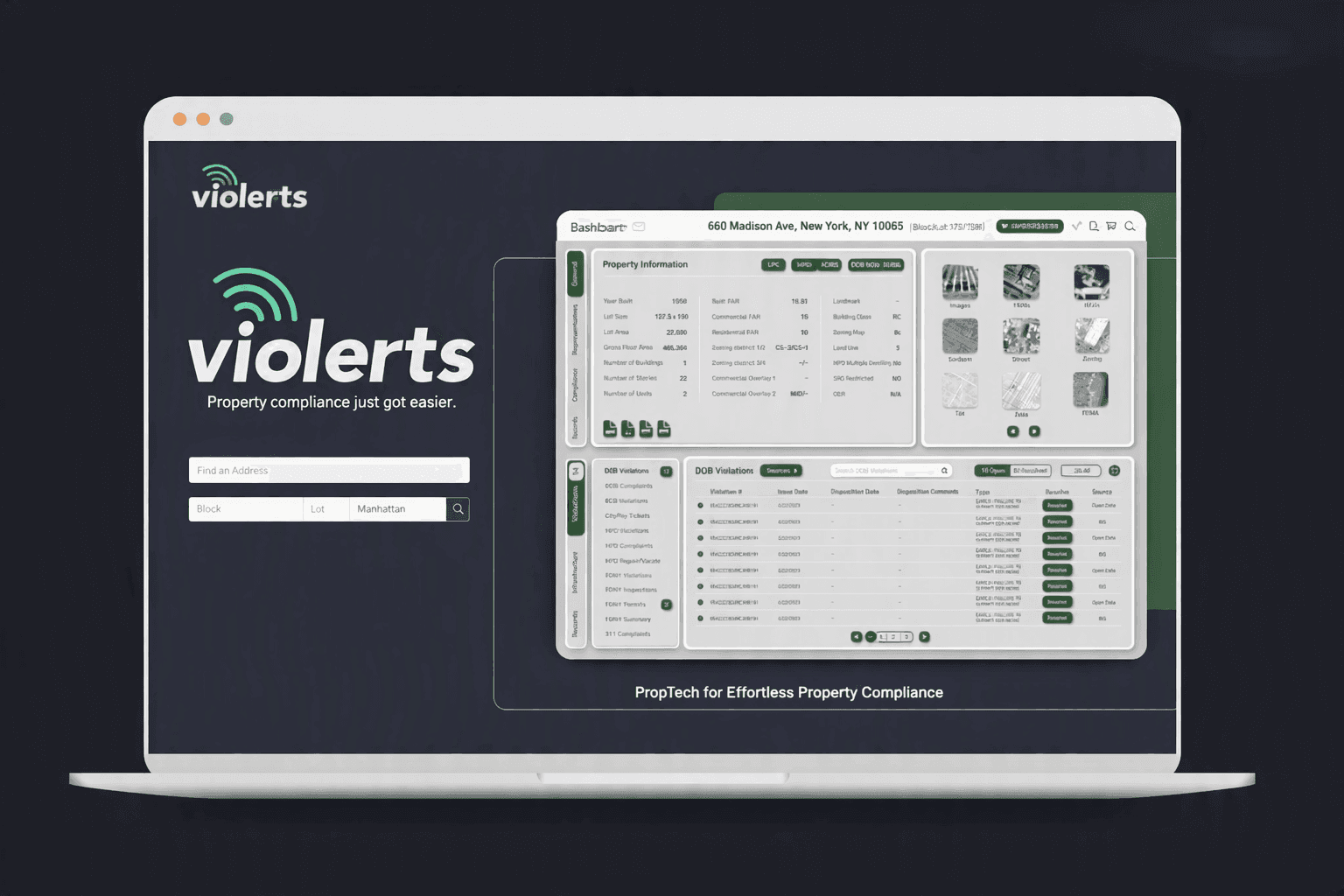
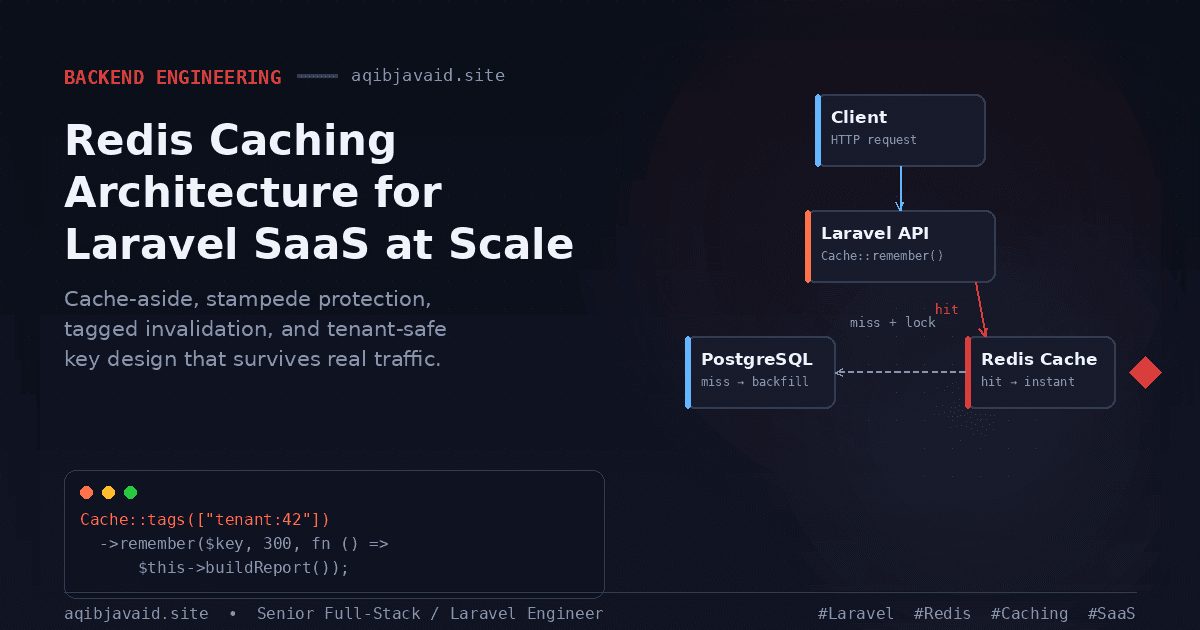
Queues for heavy work, caching, database indexing and real-time updates where they add value. On Violerts, moving to Horizon-based background processing let the platform expand from 3–4 to 12+ municipal datasets.
Common SaaS mistakes I help avoid#
- Tenant checks scattered through the code. One forgotten filter leaks data between customers. Scoping belongs in one enforced layer.
- Billing logic trusted to the frontend. Prices, limits and plan checks must be enforced on the server, and webhooks must be the source of truth for payment state.
- Everything in the request cycle. Imports, exports, emails and third-party calls in the web request are what make a SaaS slow and fragile under load.
- No admin tooling. Without it, every support request becomes a developer task.
- Building every feature before launch. The fastest route to a product customers pay for is a narrow first release and fast iteration.
MVPs that don't need throwing away#
An MVP should be small, not flimsy. I build the first version on production foundations and keep the feature list short: one or two core workflows done well, with billing, authentication and an admin area that won't need replacing. The product you validate with early customers is the one you keep building on, and the money you spend on it keeps paying off.
SaaS platforms I've delivered#
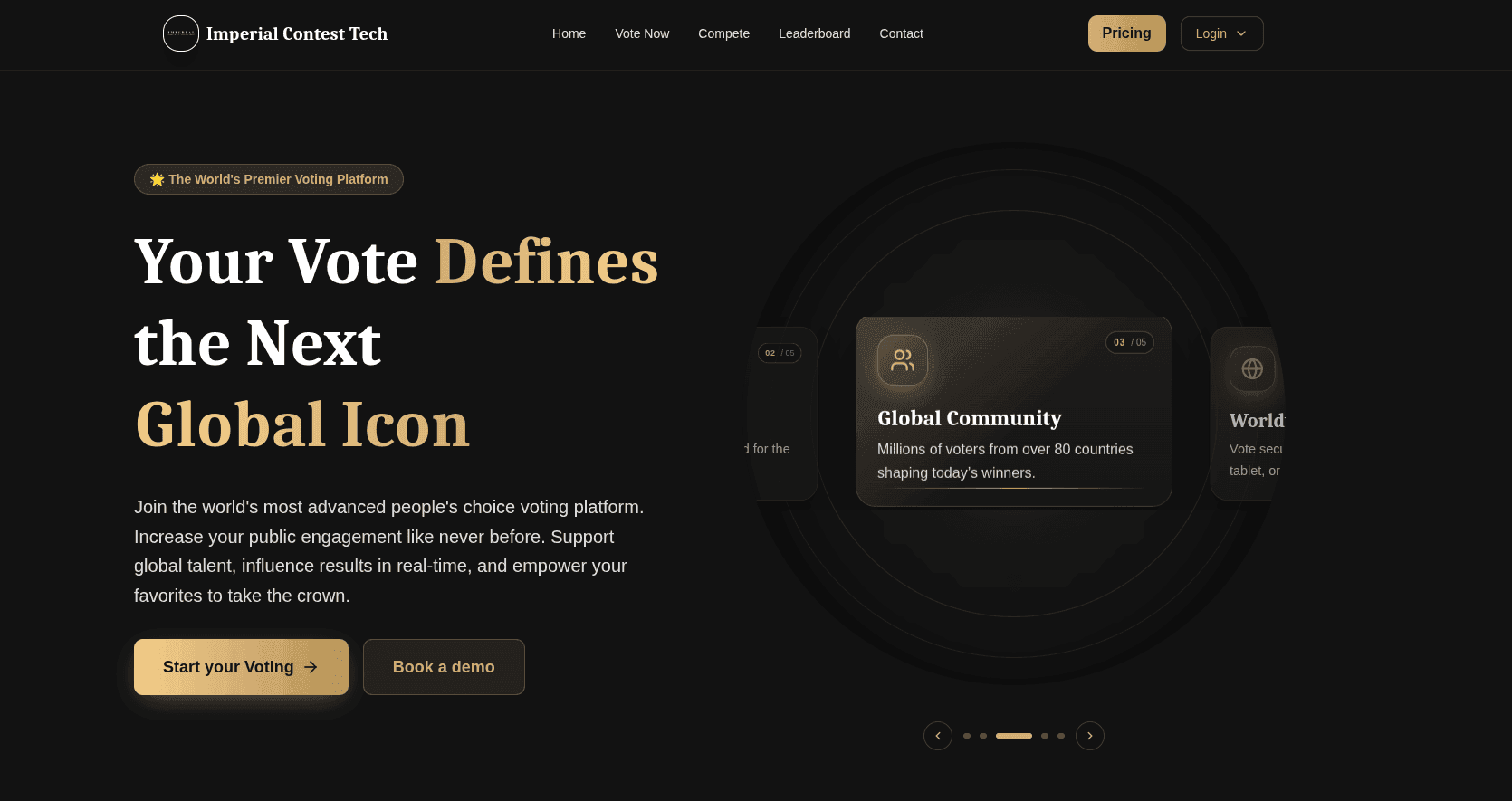
- Imperial Votes: a multi-tenant competition operating system built from scratch on Next.js, Prisma and PostgreSQL. It handles contestant intake, paid public voting through Stripe and Paystack with 100% idempotent payment and vote handling, fully auditable judging, custom social graphics and white-label customisation. JP Robberts said everything was "delivered far above expectation, within budget and on time".
- Violerts: an enterprise PropTech compliance SaaS consolidating 12+ NYC municipal datasets, with real-time updates and Stripe billing.
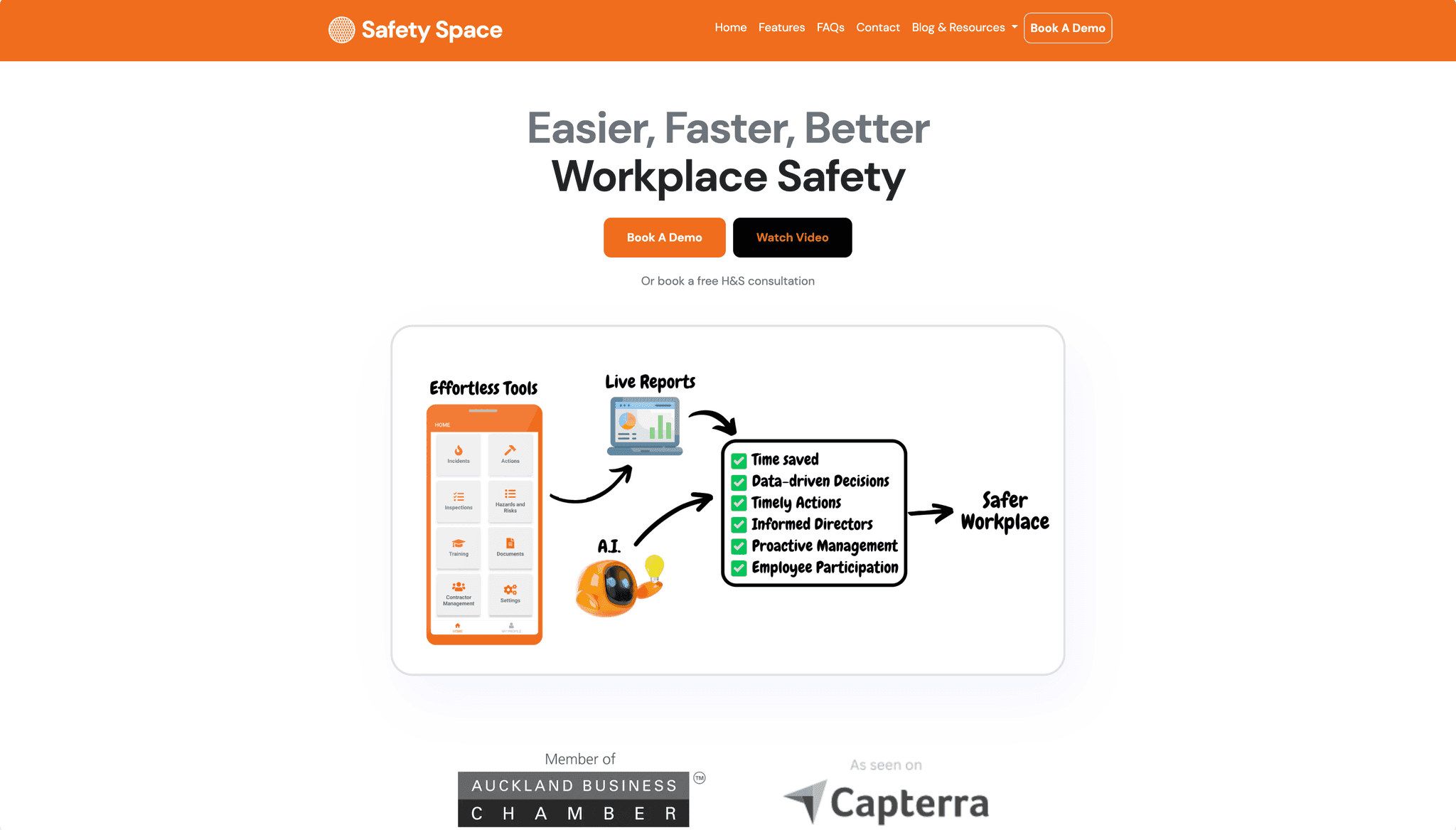
- SafetySpace: an AI-powered safety management SaaS with configurable workflows, where I acted as technical lead. Ahmed Al-Hassany, its founder, called me "a solutions-man" whose "planning and communication was great".
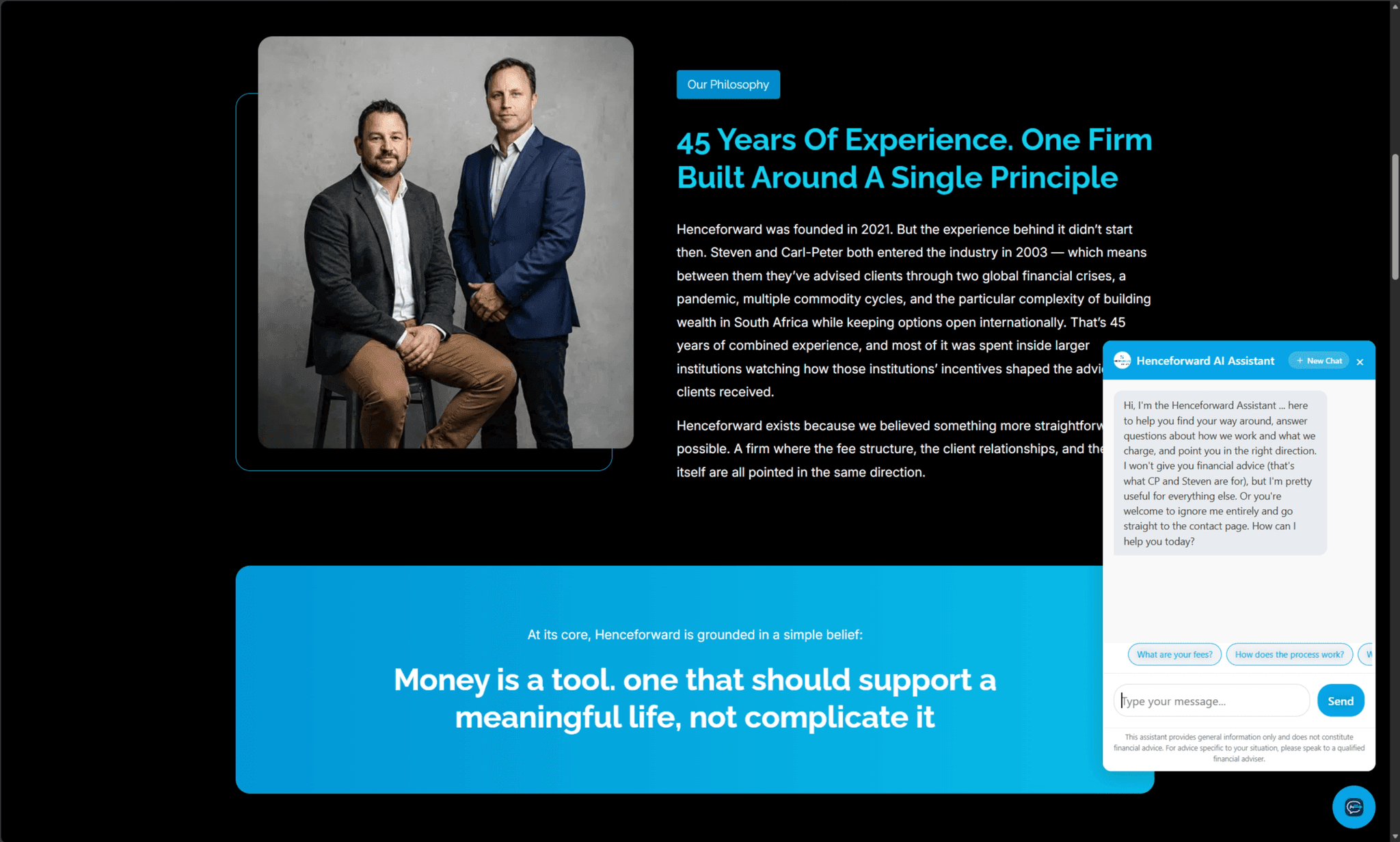
- Henceforward: a RAG-powered AI chatbot and knowledge base platform that embeds on any website.
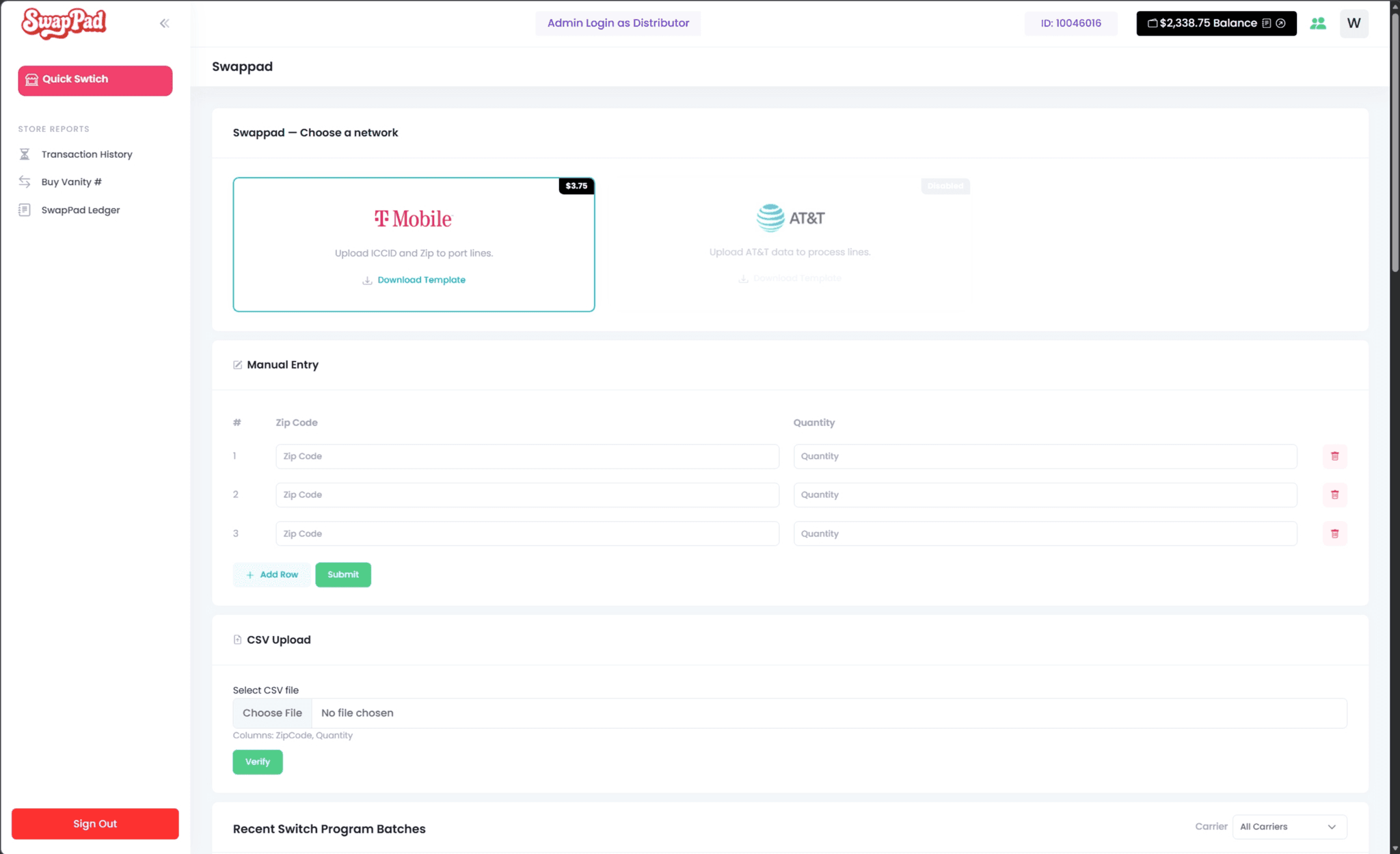
- Multi-carrier SIM activation: a bulk activation engine for a dealer POS, with role permissions and live progress over Server-Sent Events.
I also worked on SignageFlow, a digital signage SaaS. Its founder, Adheeth Ibrahim, wrote that they "couldn't be happier with the experience".
Adding AI to your SaaS#
Many SaaS roadmaps now include AI: assistants that answer from the customer's own data, document automation and smarter data entry. I build those as part of the product, respecting tenants and permissions, rather than as a bolt-on. See AI integration.
Working together#
We start with a free 30-minute call about your product and customers. Then you get a written scope for the first release, with milestones and an estimate. During the build you'll have a staging environment, regular updates and a working product to demo to early users. After launch, most SaaS clients continue on a monthly retainer.
Planning a SaaS product? Book a free 30-minute call to talk through scope and architecture.