Building Imperial Votes: A Multi-Tenant Next.js & Prisma Competition Operating System
Architected a complete SaaS voting platform from a blank repo, featuring multi-gateway payments, an idempotent vote ledger, custom branding tools, and canvas-rendered social graphics.
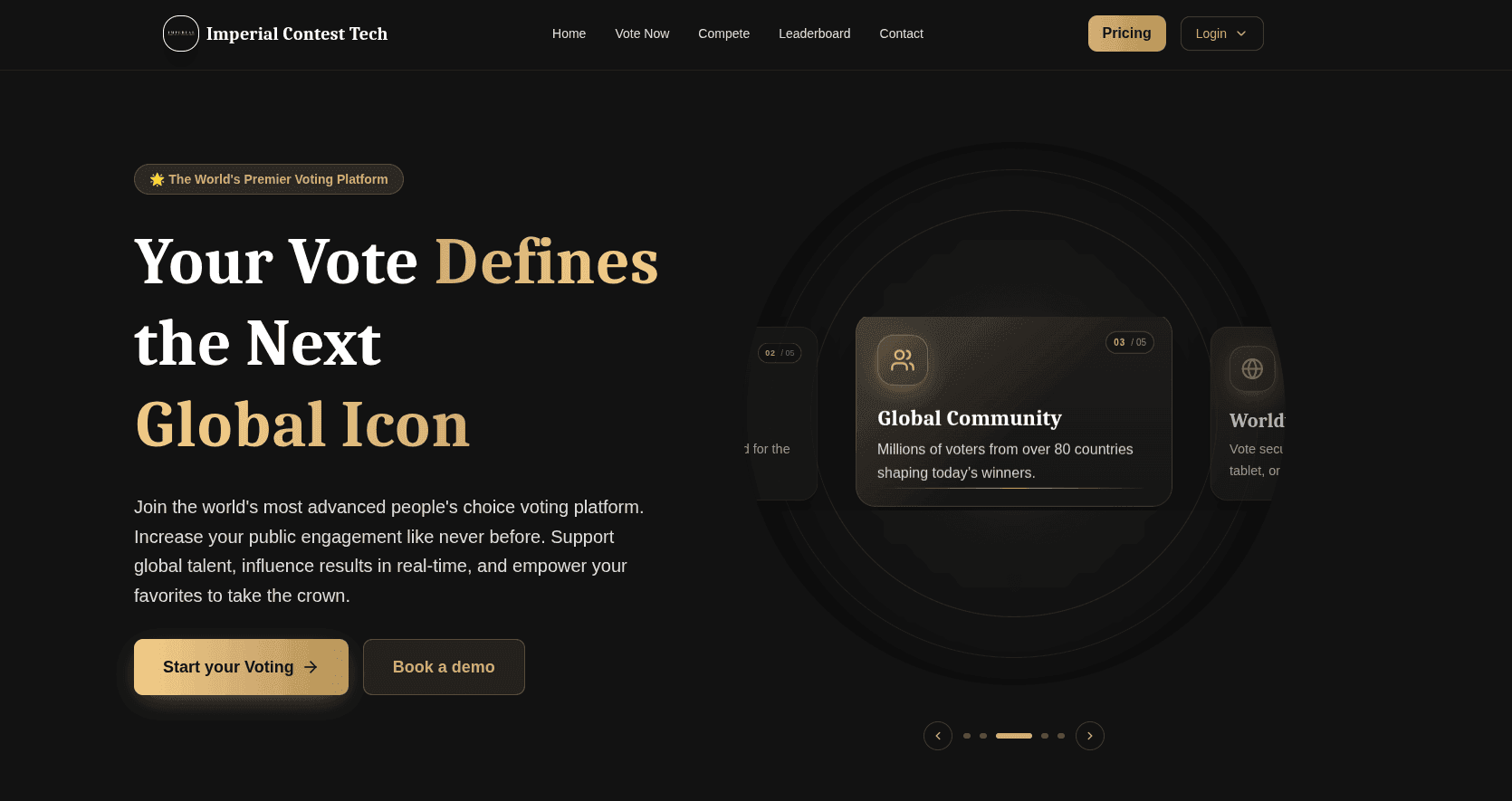
Imperial Votes is a custom online voting platform for beauty pageants, modeling competitions, and organizer-led public contests. I built the product from scratch, starting from a blank Next.js application and turning it into a full SaaS-style platform with public competition pages, contestant profiles, paid voting, leaderboards, organizer dashboards, super-admin controls, role-based permissions, contestant applications, entry fee payments, judging workflows, branding tools, analytics, reports, notifications, and leaderboard graphic generation. The basic product idea was simple: organizers create competitions, contestants compete, voters buy vote bundles, and the leaderboard updates. The actual product became much bigger than that. Imperial Votes needed to support real organizers, real money, real applicants, different countries and currencies, different payment gateways, sponsor visibility, custom competition branding, membership tiers, internal admin workflows, and marketing tools that help organizers promote their contests. My work covered the entire platform: database architecture, backend APIs, payment logic, frontend dashboards, public pages, security and permissions, operational tooling, reporting, exports, image handling, email flows, real-time notifications, and polished UI features such as canvas-based leaderboard graphics.
Client

JP Robberts
CEO, Imperial Tech Suit
Role
Lead Full-Stack Developer
Year
2026
Category
SaaS · Full-Stack Development · Competition Platform · Next.js
JP Robberts
CEO • Imperial Tech Suit
“Absolutely brilliant developer, everything was delivered far above expectation, within budget and on time. Aqib was incredibly patient throughout the process and just an overall pleasure to work with”
Confidential Enterprise Project (Protected Under NDA)
Proprietary source code, database architectures, and internal endpoint credentials are confidential. This case study highlights non-proprietary architectural patterns, technical solutions, and verified outcomes.
Imperial Votes Case Study | Next.js SaaS Voting Platform, Branding, Payments, Leaderboard Graphics#
Project Context#
Imperial Votes needed to be a platform that competition organizers could actually run their events on.
A simple contestant listing and voting page would not be enough. Organizers needed to create and manage competitions, upload contestants, define vote bundles, collect paid votes, review contestant applications, configure branding, manage sponsors, export data, understand revenue, and communicate with contestants and voters. Super admins needed platform-wide visibility, tenant management, settings, membership pricing, payout review, role control, audit logs, and support tooling.
The public side also needed to feel trustworthy. Voters needed clean competition pages, contestant profiles, vote checkout, payment confirmation, public leaderboards, share flows, sponsor placements, and branded visuals. Contestants needed signup, login, application forms, file uploads, application tracking, profile management, reviews, and gallery management.
The project evolved from the basic "contestant plus competition plus voting" idea into a multi-role SaaS product.
The Problem#
The main challenge was not only building voting. The harder problem was building a platform where voting, money, permissions, content, branding, and operations all agree with each other.
Voting platforms have several sensitive edges:
- Votes must not be duplicated when a webhook retries.
- Revenue must be calculated from money paid, not from promotional vote bonuses.
- Failed, abandoned, processing, refunded, and completed orders need distinct states.
- Organizers must only see and edit their own competitions.
- Team members need permission-based access, not blanket admin access.
- Public leaderboards and generated graphics must use the same ranking source.
- Competition branding must be flexible without breaking accessibility.
- Contestant applications must handle media, documents, fees, review states, and notifications.
- Judging must support rounds, criteria, weights, scorecards, and auditability.
- Reports must match the ledger, not whatever the UI happens to show.
Treating the project as an end-to-end platform build was essential to resolve these requirements cleanly.
My Role#
I worked as the full-stack developer responsible for turning the idea into a working product.
My role covered:
- Product architecture
- Database modeling with Prisma and PostgreSQL
- API design and backend service layers
- Public website and competition pages
- Admin dashboard development
- Organizer dashboard development
- Contestant portal development
- RBAC and permissions
- Payment gateway integration
- Vote ledger and revenue settlement logic
- Contestant application workflow
- Competition branding tools
- Leaderboard graphics generation
- Judging and scoring workflows
- Reports, analytics, exports, notifications, and operational tooling
I also handled client feedback cycles across UI, workflows, business rules, and production edge cases to protect financial paths and maintain architectural flexibility.
Tech Stack#
- Frontend: Next.js, React, TypeScript, Tailwind CSS, Radix UI, shadcn-style components, Lucide icons
- Backend: Next.js App Router API routes, feature-based controllers and services
- Database: PostgreSQL with Prisma
- Payments: Stripe and Paystack
- Authentication & Authorization: JWT, HTTP-only refresh flow, bcrypt, CASL abilities, role and permission tables
- Emails: Nodemailer with reusable email templates
- Real-time: Socket.IO, Redis adapter, notification publisher
- Exports & Reports: CSV, XLSX, PDF, jsPDF, workbook abstraction
- Media: Local image/document/video storage helpers, upload validation, image serving route, QR code support
- Graphics: Browser canvas rendering, custom templates, self-hosted fonts, saved graphic thumbnails
- Content Editing: TipTap rich-text editor and JSON content rendering
- Infrastructure Helpers: Docker Compose, health routes, deployment scripts, cron routes, system settings
Architecture#
The codebase follows a feature-based structure:
- API routes act as entry points.
- Controllers handle request parsing and response shape.
- Services handle business rules and database access.
- Shared logic lives in
libmodules for auth, errors, Prisma, exports, storage, dates, validation, URLs, indexing, and request metadata.
Core feature modules include:
- Auth and permissions
- Organizers and teams
- Competitions
- Contestants
- Contestant applications
- Application review
- Competition branding
- Leaderboard graphics
- Saved graphics
- Payments
- Coupons
- Bonus votes and sharing
- Membership
- Judging
- Reports and analytics
- Payouts
- Pages and platform settings
- Notifications
- Audit logs
- Health and support
Core Product: Competitions, Contestants, and Voting#
The foundation of Imperial Votes is competition management.
Admins and organizers can create competitions with names, slugs, location, dates, timezones, currency, descriptions, rules, status, sponsors, vote bundles, divisions, contestants, public visibility settings, double-vote windows, branding, application settings, judging settings, and leaderboard rules.
Contestants can have profile images, gallery images, country/state, biography, contestant number, division, visibility status, publication status, and linked application history. Organizers can create contestants manually, bulk import them, export them, manage images, and update visibility.
The public side exposes competition pages, contestant voting pages, leaderboards, competition directories, pricing pages, contact pages, join pages, terms pages, judging criteria pages, and dynamic content pages.
The platform supports core voting flows:
- Voter selects a contestant
- Voter selects a vote bundle
- Voter enters email and accepts terms
- System creates an order
- Gateway payment is initialized
- Webhook or verification confirms payment
- Vote ledger records the votes
- Leaderboard reflects the new totals
- Confirmation page gives the voter a result and optional share flow
The vote ledger acts as the authoritative source of truth. Reports, leaderboards, analytics, and graphics all calculate metrics from ledger-backed entries.
Payments, Vote Ledger, and Money Safety#
Payment and vote allocation were central to the build.
Imperial Votes supports Stripe and Paystack with a gateway-aware checkout service that snapshots revenue share, applies coupons when allowed, records voter metadata, handles terms acceptance, and creates payment transactions.
The vote ledger is built around idempotency to ensure replayed webhooks, duplicate callbacks, refreshes, retries, or delayed gateway responses never double-credit votes.
The system enforces this through:
- Order status checks before settlement
- Atomic transaction updates
- Database uniqueness around ledger entries
- Payment transaction records
- Webhook event tracking
- Gateway reconciliation backstops
- Manual review states for unsafe payment outcomes
Double-vote campaigns are isolated from base paid votes. A voter may receive bonus credits during a promotional window, but base vote counts reflect actual monetary transactions to preserve revenue-share accuracy.
Membership, Revenue Share, and Feature Gating#
The platform supports organizer membership tiers (Growth and Elite) managed directly from the admin interface.
Membership affects several business rules:
- Tier-based revenue-share adjustments
- Access to premium tools: teams, granular roles, deep reporting, exports, double-vote campaigns, and bonus-share campaigns
- Verified badges and prioritized directory placement
- Entry fee handling rules
These rules are enforced at the service and API boundary layer rather than purely via UI state.
Contestant Applications and Entry Fees#
Imperial Votes includes a contestant application workflow:
- Organizer Tools: Start/end dates, custom intake questions, photo/document requirements, video uploads, entry fees, application terms, judging criteria, and public gallery displays.
- Contestant Portal: Account creation, draft saves, media uploads, custom question responses, terms acceptance, entry fee payments, and live status tracking.
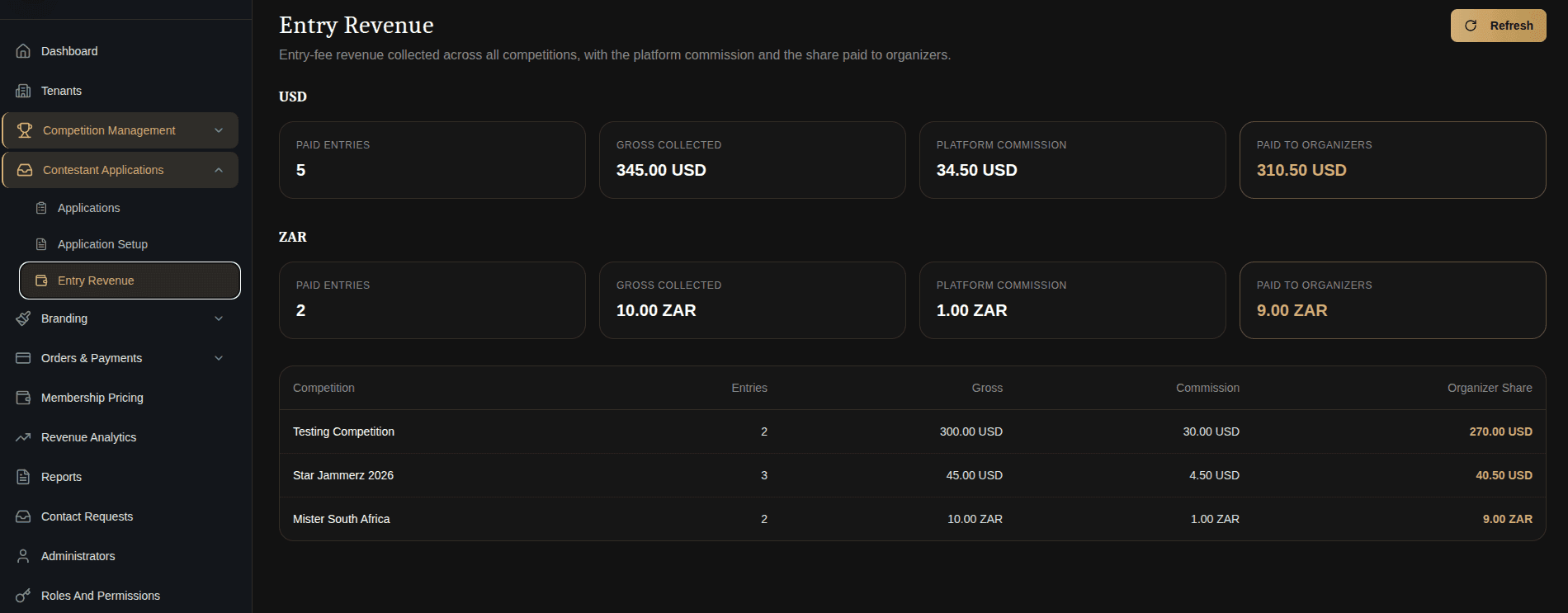
- Review & Processing: Application review screens, note keeping, revision requests, waitlisting, rejections, approvals, bulk approvals, bulk email dispatches, application exports, and bulk image downloads.
Approval can automatically materialize a contestant record, assign contestant numbers, preserve uploaded media, notify the applicant, and accrue entry-fee liabilities.
Judging and Scoring Platform#
Imperial Votes provides a formal judging workflow for structured scoring beyond public voting:
- Configuration: Weighted judging rounds, custom criteria with max scores, participant selection, scorecard contestant ordering, public judging links, and secure judge access codes.
- Evaluation: Score submission per criterion, fairness declarations, signature capture, email capture, and single-scorecard enforcement per judge.
- Scoring Engine: Aggregates weighted rounds, criteria scores, manual score inputs (e.g., social challenges), and normalized vote counts into final results with export support.
Scoring criteria are locked upon receiving scorecards to prevent silent data corruption.
Competition Branding System#
Organizers can customize the appearance of their public competition and voting pages through an integrated branding engine:
- Theme and button colors
- Background image, overlay, and blur parameters
- Typography pairs and layout variants
- Sponsor display configurations
- Logo and banner asset management
- Desktop and mobile preview modes
- Color contrast validation to ensure text accessibility before saving
Leaderboard Graphics Generator#
An integrated canvas-based generator creates social media graphics derived directly from real-time leaderboard data:
- Competition picker with Top 3, Top 6, and Top 10 presets
- Layout templates: ranking cards, ranking list, spotlight, and podium top 3
- Aspect ratio customization and dimension presets
- Custom headlines, titles, and period labels
- Self-hosted display fonts for rendering consistency across operating systems
- Color overrides, background uploads, and logo scaling
- Sponsor logo inclusion and placement options
- Thumbnail previews and scoped graphic saving for organizer teams
Image assets are strictly scoped to the owning actor and graphic entity to prevent unauthorized cross-tenant mutations.
Sponsors, Sharing, and Bonus Votes#
- Sponsors: Attached to competitions, rendered across public pages, prioritized by display order, and tracked for impressions and click-through rates.
- Trackable Sharing: Post-payment signed share tokens generate short URLs with click attribution and configurable bonus vote rules.
- Anti-Abuse: Scheduled delay triggers, captcha validation, manual bonus overrides, revocation paths, and audit logging.
Dashboards & Portals#
Admin Dashboard#
- Platform overview, tenant management, and system-wide competition oversight
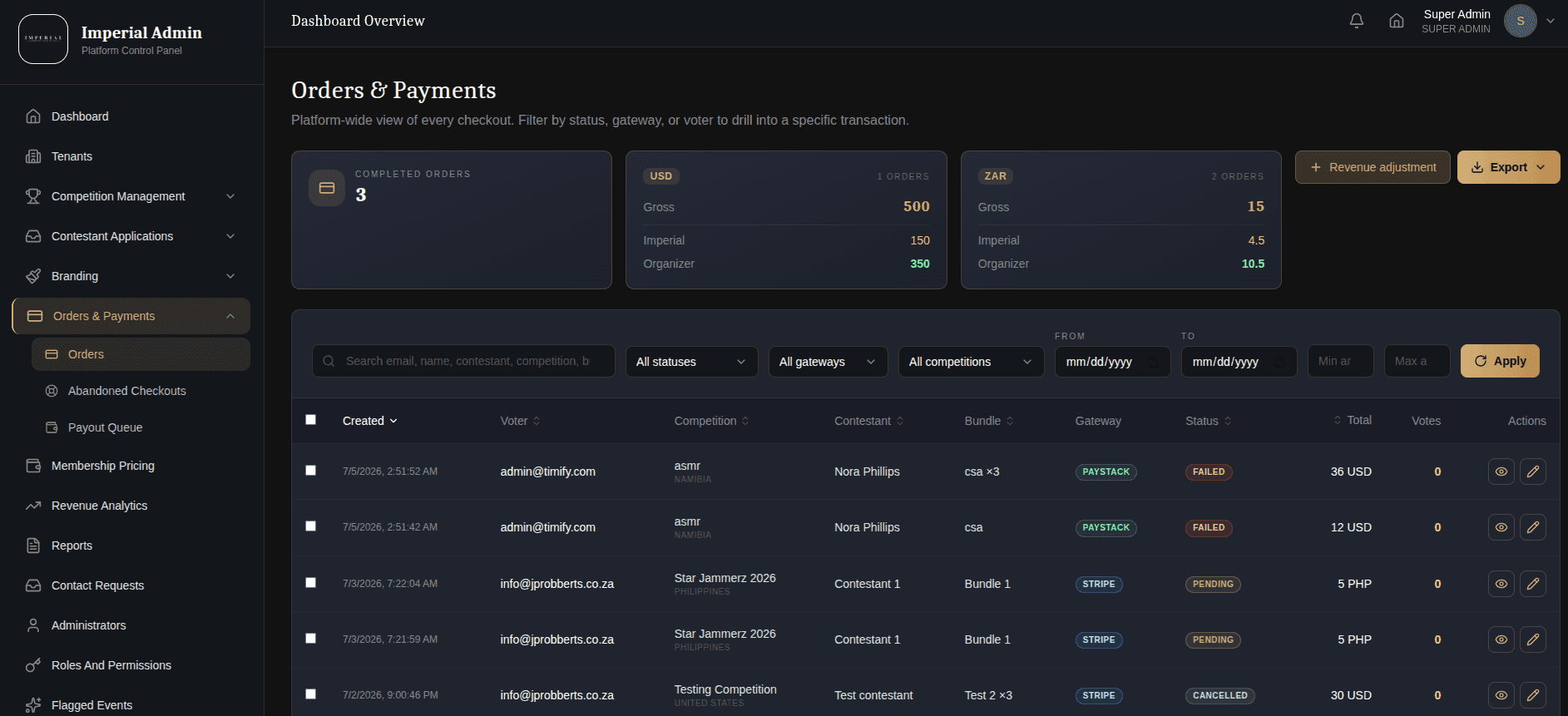
- Financial tracking: payouts, support transactions, order monitoring, and manual review queues
- Role management, system health metrics, audit logs, and global platform settings
Organizer Dashboard#
- Competition setup, division mapping, and sponsor configuration
- Contestant intake, image pairing, and bulk import/export utilities
- Live order tracking, judging management, and branding customizers
- Team invitations, scoped permissions, and payout requests
Contestant Portal#
- Self-service onboarding, email verification, and password management
- Application drafting, document submissions, and approval status tracking
- Gallery management and notifications
Role-Based Access Control#
The platform implements CASL-based authorization backed by database permission records across super admins, organizer admins, organizer editors, organizer viewers, team members, and public voters. All tenant boundaries and resource actions (competitions, finance, applications, judging, and graphics) are verified within backend API services.
Reports, Analytics, and Exports#
Unified reporting services utilize a workbook abstraction layer to generate CSV, XLSX, and PDF exports without redundant logic:
- Financial breakdowns (revenue share, platform cuts, liabilities, payouts)
- Voting metrics and contestant performance
- Application logs and entry fee volume
- Sponsor engagement analytics (impressions/clicks)
- Operational signals (failed webhooks, delivery retries, manual reviews)
Notifications and Real-Time Infrastructure#
- Event Bus: Dispatches notifications for paid votes, payment failures, submissions, competition status shifts, payout actions, and team updates.
- Multi-Channel Delivery: In-app notifications with read/archive states and transactional email dispatches via Nodemailer.
- Real-Time Engine: Token-authenticated Socket.IO server utilizing a Redis adapter for horizontally scalable event broadcasting.
Content and Operational Quality#
- CMS Pages: Slug-based rich-text content engine with reserved-slug protections for marketing and policy routes.
- Operational Hardening: Health probes (database, memory, ping), config-driven credentials, maintenance cron jobs, audit logs, and strict upload validators.
Key Features Delivered#
- Built from scratch with Next.js, React, TypeScript, Prisma, and PostgreSQL
- Public competition directory and dynamic competition/voting pages
- Public leaderboards with real-time ranking calculations
- Paid vote checkout via Stripe and Paystack
- Idempotent, atomic vote ledger and double-vote promo engines
- Coupon discounts and checkout recovery pipelines
- Role-based access control with multi-tenant isolation
- Contestant intake portal with file uploads, entry fees, and review tools
- Multi-round judging engine with weighted scoring and signature sign-offs
- Per-competition branding engine with accessibility contrast validation
- Canvas-based leaderboard graphics generator with exportable social templates
- Referral tracking, signed share tokens, and attribution bonuses
- Shared reporting engine exporting to CSV, XLSX, and PDF
- Socket.IO real-time notification engine with Redis clustering support
- Built-in CMS engine for marketing and static policy pages
Why This Project Mattered#
Imperial Votes unifies complex sub-systems into a cohesive platform: financial settlement, idempotent vote accounting, multi-stage application review, weighted competition judging, white-label branding, automated social media asset generation, and role-based tenant isolation.
The Result#
A complete SaaS competition platform operating in production: platform operators maintain financial and tenant oversight, organizers run end-to-end events with custom branding, contestants manage applications and profiles, judges evaluate contestants objectively, and voters purchase vote bundles securely.
Portfolio Summary#
Imperial Votes is a custom online voting and competition management platform for pageants, modeling competitions, and public contests. I built the project from scratch with Next.js, React, TypeScript, Prisma, PostgreSQL, Stripe, Paystack, and a feature-based backend architecture.
The platform started with the core idea of competitions, contestants, paid votes, and leaderboards, then grew into a full SaaS product. It includes public competition pages, contestant voting pages, public leaderboards, admin and organizer dashboards, contestant portals, role-based permissions, vote bundles, coupons, payments, webhooks, an atomic vote ledger, double-vote campaigns, revenue share, reports, analytics, membership plans, sponsor tracking, notifications, and payouts.
Two major custom features make the project stand out: a per-competition branding system that lets organizers customize public pages with accessibility contrast validation, and a canvas-based leaderboard graphics generator that creates exportable social media assets from live competition standings.
Gallery


Tech stack
 Next.js
 React
React TypeScript
 Tailwind CSS
 Prisma
 PostgreSQL
 Stripe
 Paystack
 Radix UI
 Socket.IO
 Redis
Redis Nodemailer
 Docker
 TipTap
Timeline & Milestones
Phase 1: Architecture & Data Modeling
(Platform Foundation)Built the from-scratch Next.js baseline, structured feature modules, and designed Prisma schemas across multi-tenant competitions, contestants, and RBAC tables.
Phase 2: Payment Gateways & Atomic Vote Ledger
(Core Engine)Integrated Stripe and Paystack checkout pipelines, built webhook handlers, and engineered an idempotent, database-enforced vote ledger with revenue share tracking.
Phase 3: Multi-Role Portals & Applications Workflow
(SaaS Features)Developed dedicated Admin, Organizer, and Contestant portals alongside a contestant intake system supporting custom questions, media uploads, entry fees, and bulk review actions.
Phase 4: Judging Platform & Evaluation Engine
(Judging System)Implemented weighted judging rounds, dynamic scoring criteria, public judge access links, fairness declarations, and scorecard audit trails.
Phase 5: Competition Branding & Canvas Graphics Generator
(Creative Tooling)Engineered the per-competition white-label theme editor with contrast validation and built a browser canvas generator for automated social leaderboard graphics.
Phase 6: Real-Time Notifications, Analytics & Operations
(Production Polish)Added Socket.IO real-time alerts with Redis adapter, multi-format (CSV/XLSX/PDF) financial reporting, audit logs, health checks, and maintenance crons.
Outcomes & Impact
- Built from Scratch
Platform Architecture
Delivered a multi-tenant SaaS competition platform covering public, admin, organizer, contestant, and judging surfaces |
- 100% Idempotent
Financial & Vote Integrity
Deployed an atomic vote ledger ensuring payment webhooks and double-vote promos never duplicate votes or skew revenue |
- End-to-End
Contestant Intake System
Automated application collection, document/media validation, entry fee checkout, and bulk organizer approval workflows |
- Fully Auditable
Judging & Scoring
Structured weighted scoring rounds, secure judge access links, and automated aggregate rankings |
- Integrated Canvas
Custom Social Graphics
Built an in-platform canvas generator producing on-brand social media leaderboard graphics directly from live rankings |
- Accessible Engine
White-Label Customization
Created a visual branding customizer with real-time contrast checks and independent page styling |
- Enterprise Grade
Reporting & Operational Health
Implemented multi-format export engines (CSV/XLSX/PDF), audit logging, and Socket.IO real-time event streaming |
Technical Insights
Related Architecture & Engineering Articles
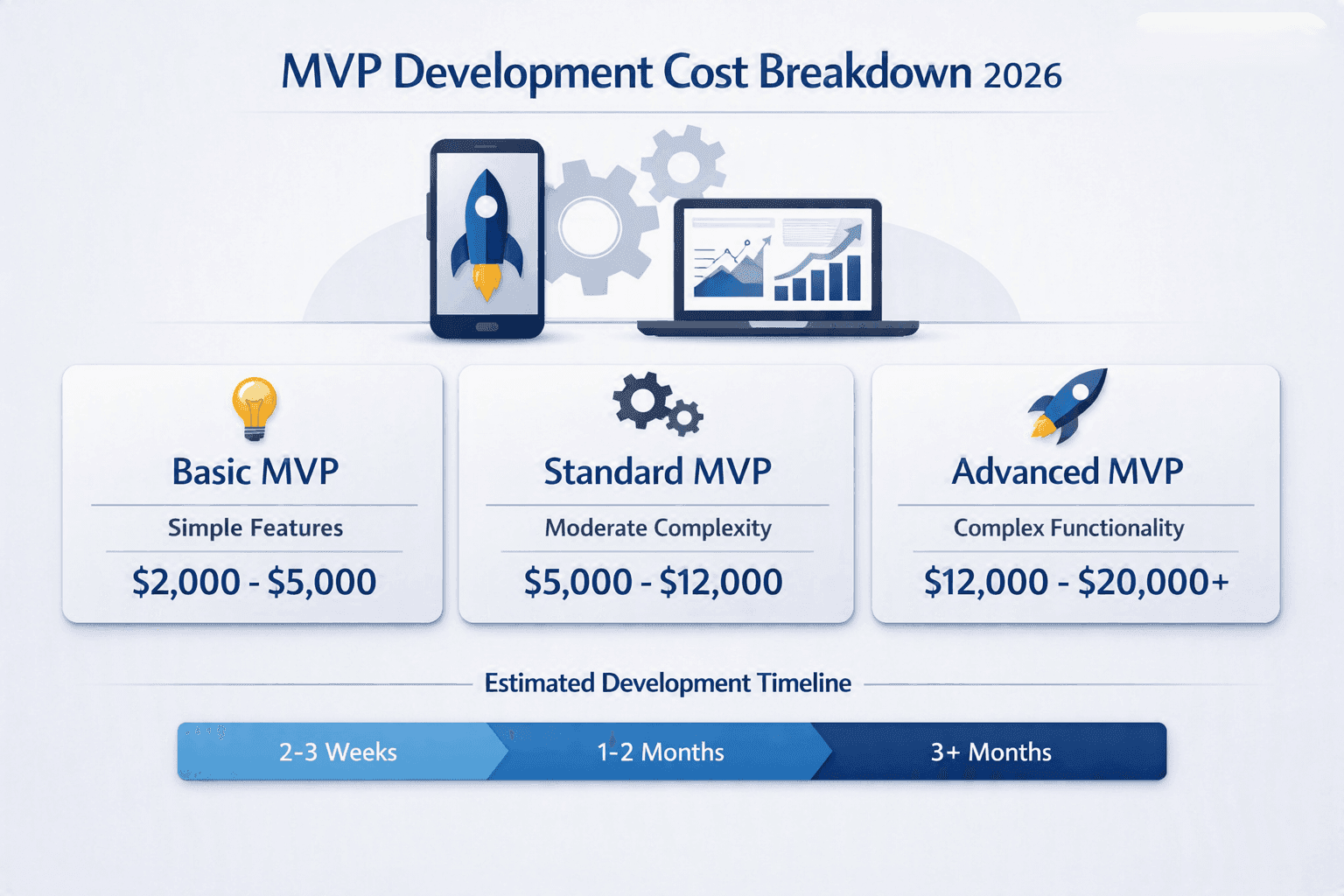
How Much Does It Cost to Build an MVP in 2026?
A custom MVP does not have to cost $50K+. Here is what you can realistically build for $2K, $5K, $10K, and $20K in 2026.
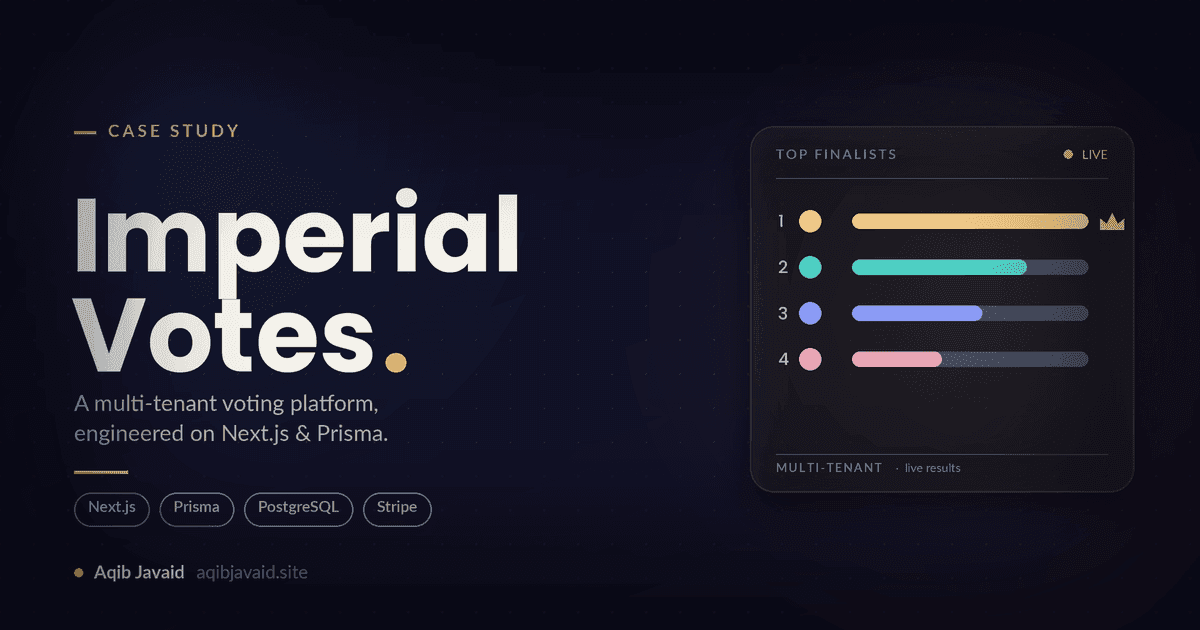
How I Built Imperial Votes: A Multi-Tenant Competition SaaS on Next.js & Prisma in 8k
A build breakdown of a multi-tenant competition platform on Next.js and Prisma: tenant isolation, fraud-resistant paid voting, and deadline-spike survival.

Before You Build a New SaaS Product: 10 Technical Decisions That Can Save You Thousands
The most expensive SaaS mistakes often happen before development begins. These 10 technical decisions can save you time, money, and costly rebuilds.
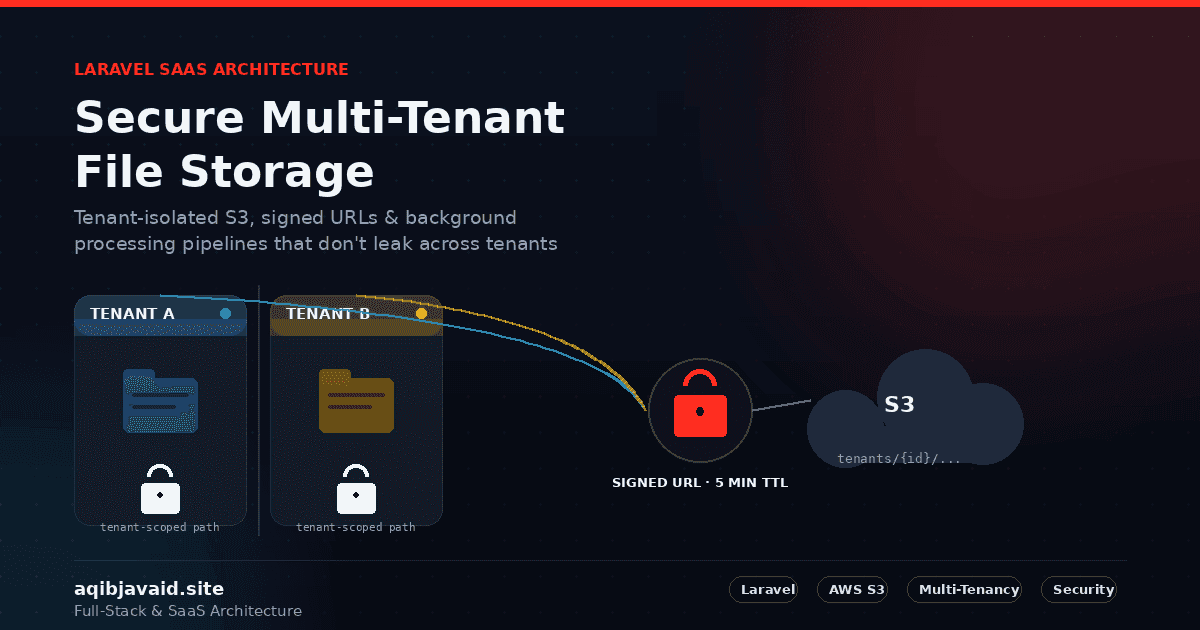
Secure Multi-Tenant File Storage in Laravel SaaS
A public S3 bucket and a predictable file path is how one tenant's uploads end up in another tenant's browser tab.
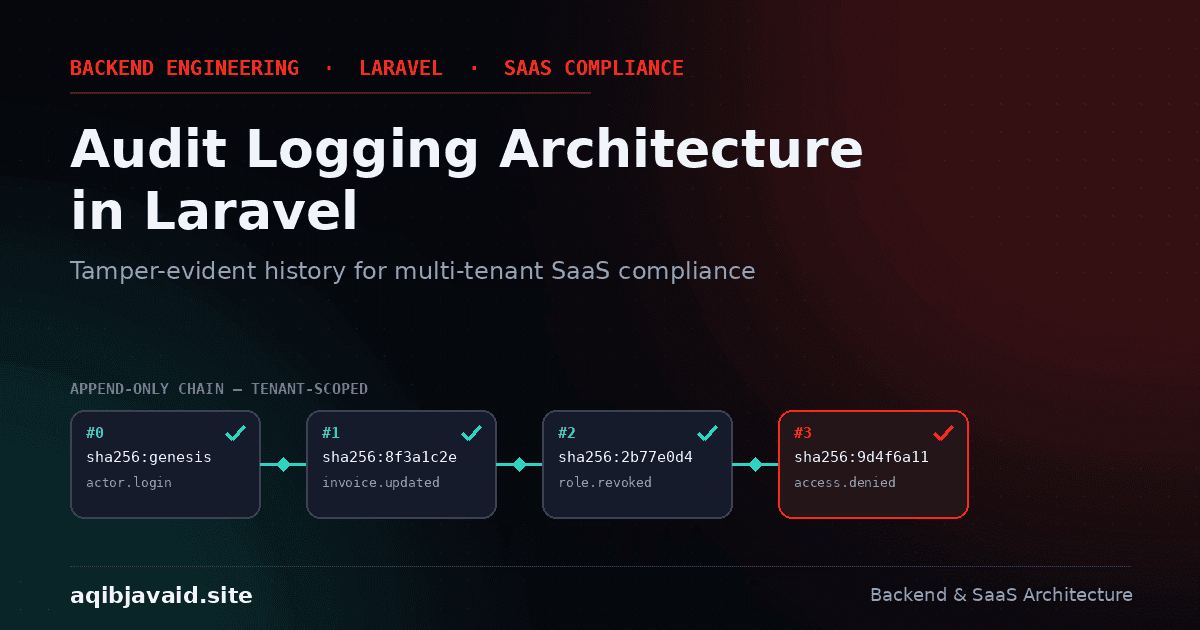
Audit Logging Architecture in Laravel: Building Tamper-Evident History for SaaS Compliance
"We believe it was deleted correctly" isn't a compliance answer. Here's how tamper-evident audit logging in Laravel actually holds up.
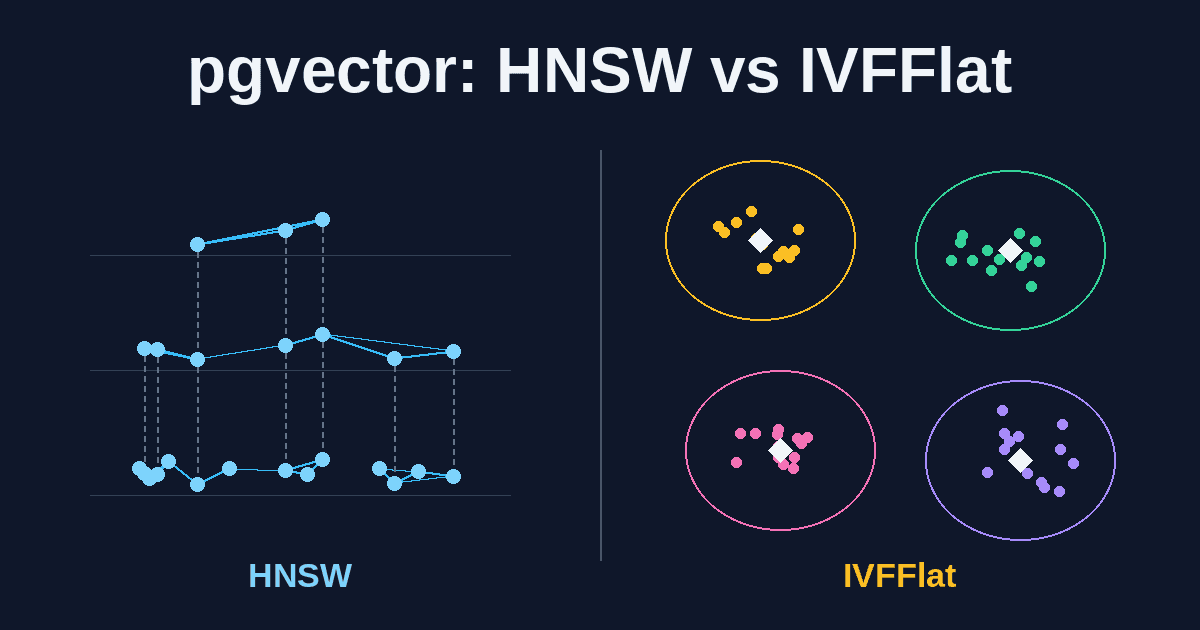
pgvector HNSW vs IVFFlat: Choosing a Vector Index for RAG
HNSW or IVFFlat? A practical guide to choosing and tuning a pgvector index for RAG search on PostgreSQL, covering recall, build time, memory, tenant filtering, and when to skip the index entirely.
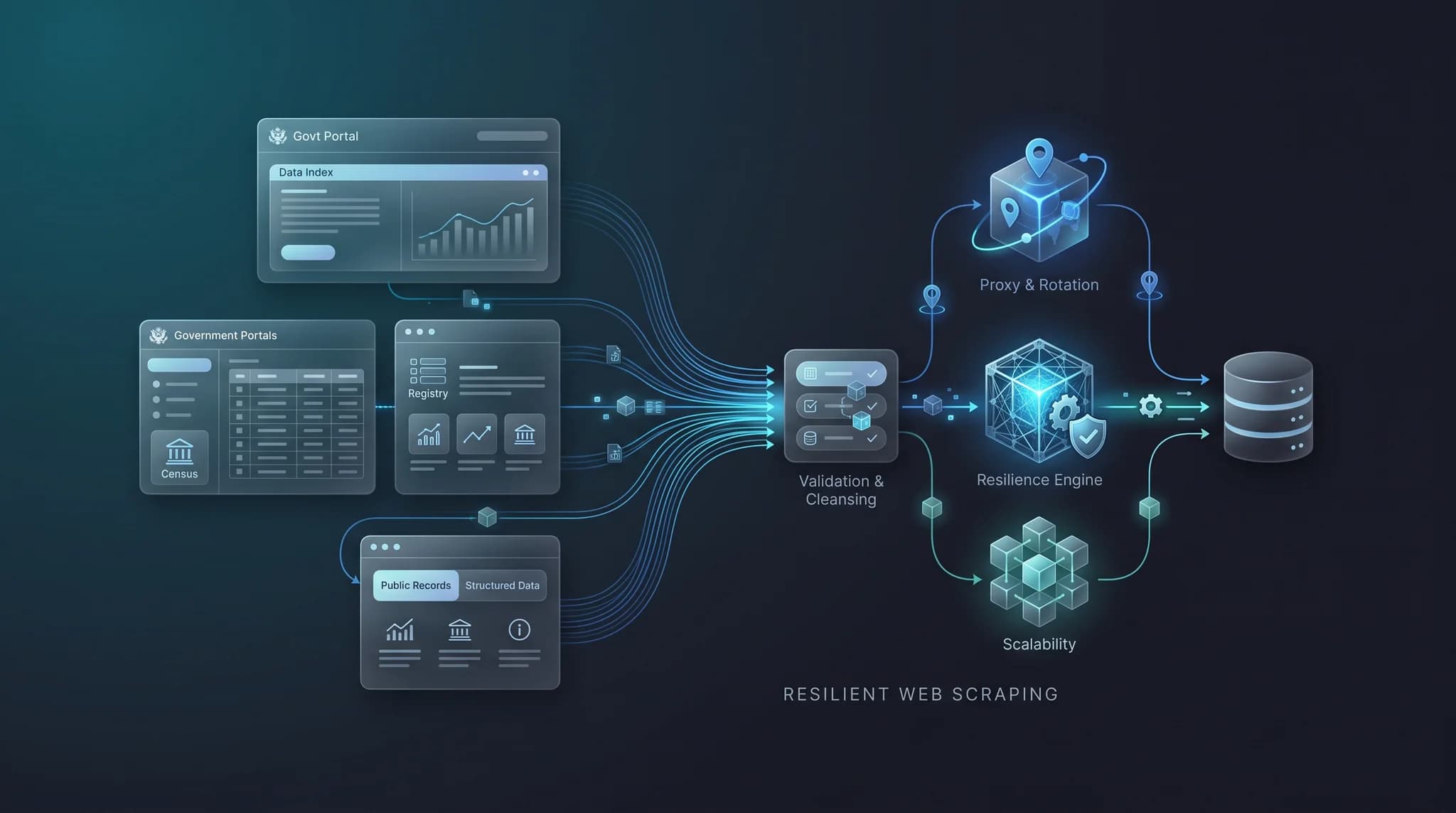
How I Built a Resilient Web Scraping System for Complex Government Data Sources
A real-world look at how I designed a resilient web scraping system for Violerts to collect, normalize, and manage data from complex government sources.
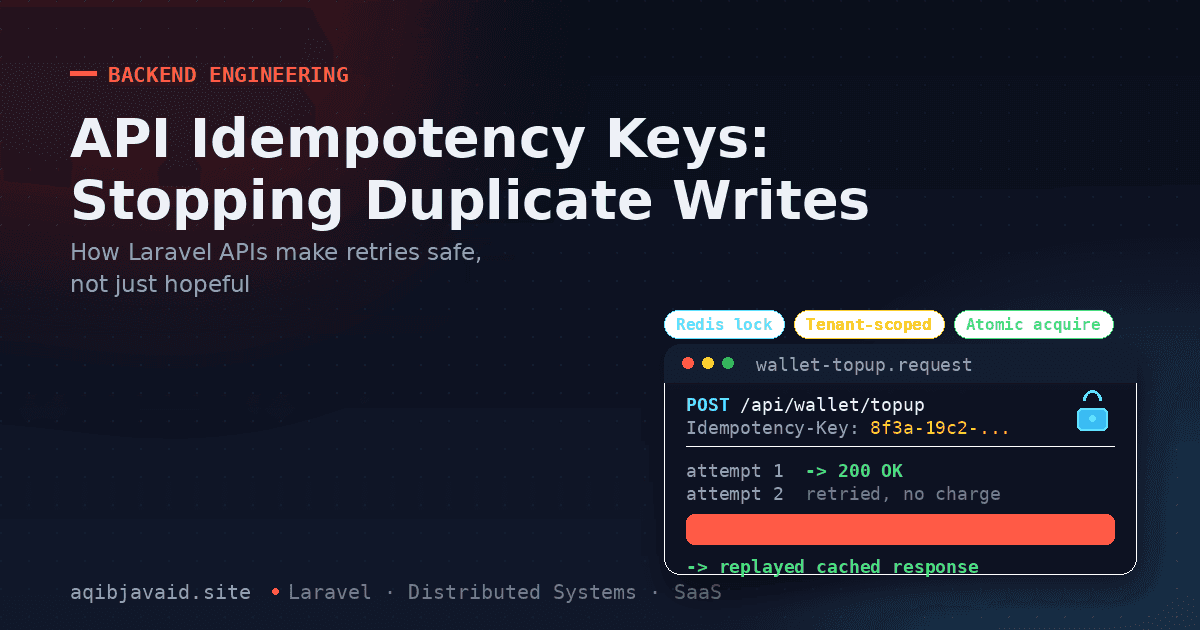
API Idempotency Keys: Stopping Duplicate Writes in Laravel
A retried POST request isn't a safe assumption — it's a duplicate charge waiting to happen. Here's how idempotency keys make retries actually safe.