Why one full-stack engineer beats a relay of specialists#
When the frontend and backend are built by different people, a lot of time disappears into the gaps: API responses that don't match what the screen needs, validation rules that disagree between browser and server, and bugs that each side believes belong to the other. Every feature needs a meeting before it needs code.
As a full-stack engineer I design the data, the API and the interface together. Each feature is built once, end to end, by the person who understands all of it. That means fewer handovers, fewer surprises and a product that feels coherent, because the screens were designed with the data in mind and the data was shaped for the screens.
I've worked this way for more than eight years across marketplaces, SaaS platforms, logistics systems and content-driven websites, with a 4.9 out of 5 rating from 76 clients.
When full-stack development is the right call#
- You're launching a new product and need one accountable person to take it from idea to production.
- You inherited a half-finished build from an agency or freelancer and need someone to assess it honestly and finish it.
- Your frontend and backend have drifted apart, and every change needs two developers and a week of coordination.
- You have a small team and need a senior engineer who can work anywhere in the stack without handholding.
What full-stack development covers#
Backend and data#
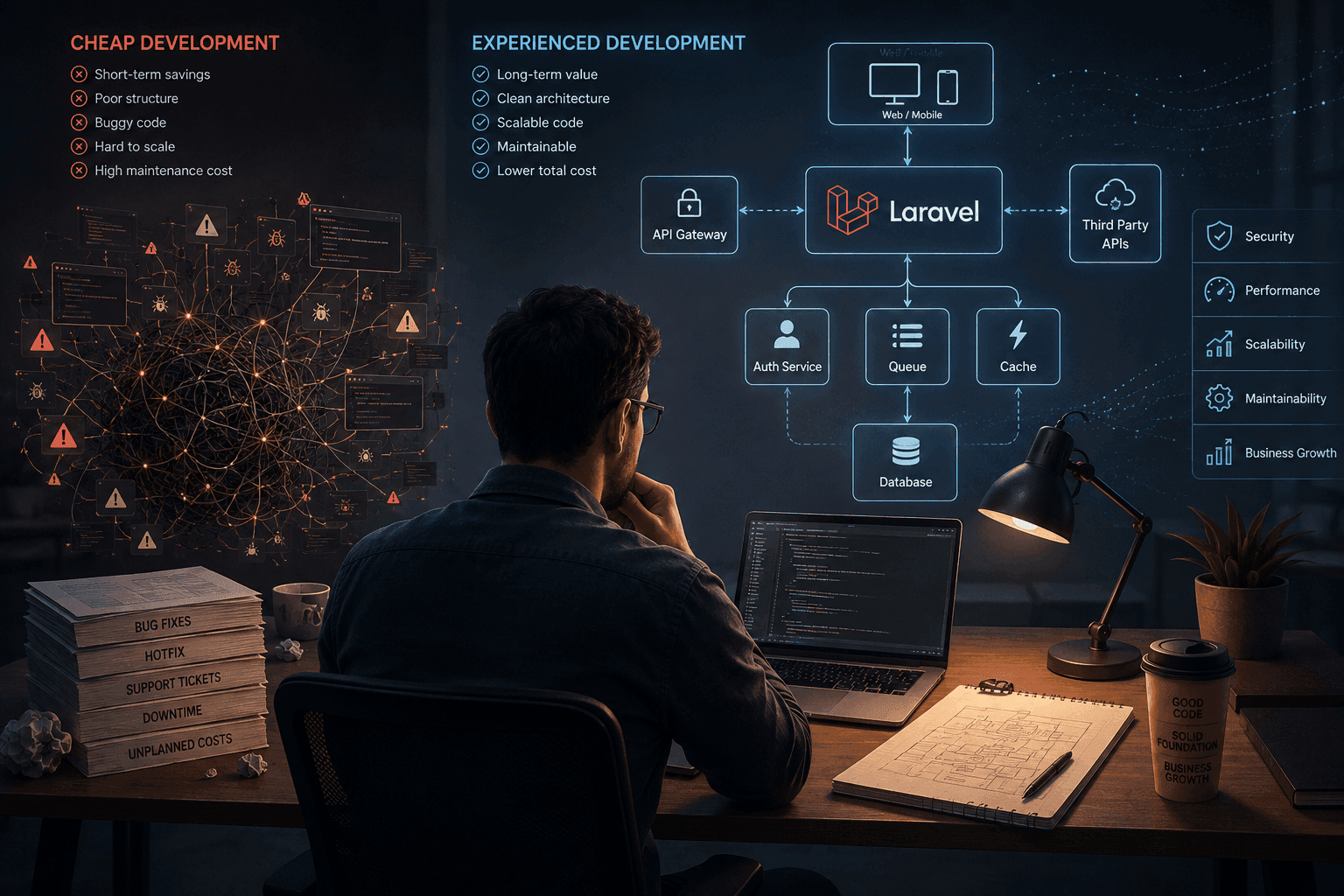
Data modelling, business logic, authentication and roles, background jobs and third-party integrations. For data-heavy business applications I usually build the backend in Laravel; for real-time or JavaScript-first products, Node.js.
API#
REST endpoints shaped around what the interface actually needs, with consistent errors, pagination and validation. The API is documented and versioned so a mobile app or partner integration can use it later without a rewrite.
Frontend#
Responsive, accessible interfaces in React and Next.js or Vue.js, built from a small set of typed components with Tailwind CSS. Loading, empty and error states are designed rather than left as afterthoughts.
Content management#
When non-developers need to edit pages, I connect a headless CMS such as Strapi, so marketing and operations teams can publish without touching code or breaking layouts.
Delivery#
Environments, CI/CD, monitoring and production deployment. See cloud, DevOps & deployment for the infrastructure side.
How I choose the stack#
I don't start from a favourite framework. The question is which stack will be simplest to build, run and hire for over the next few years.
- Content-heavy or SEO-sensitive products usually suit Next.js with server rendering, because pages arrive ready to read and index.
- Data-heavy business systems with many forms, roles and reports are faster to build and easier to maintain in Laravel.
- Real-time features such as chat, live dashboards and notifications get WebSockets through Socket.IO or Pusher.
- Editable marketing content gets a headless CMS rather than hard-coded pages.
The goal is the simplest stack that will still fit your product in two years.
Full-stack projects I've built#
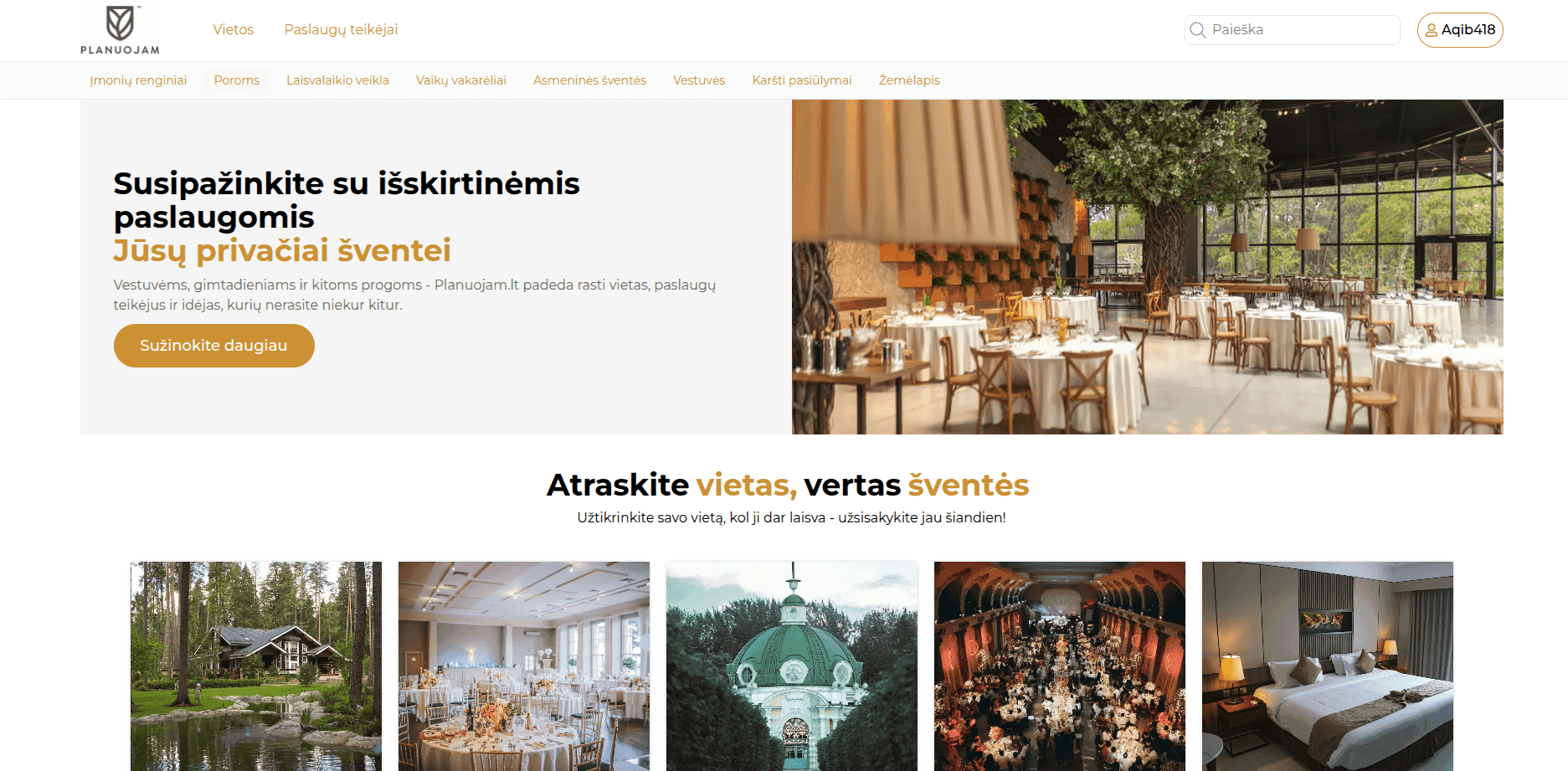
- Planuojam: a failing event-planning platform rescued and rebuilt as a five-language marketplace on Next.js and Strapi 5, with real-time messaging, Stripe payments, Mapbox and an AWS Translate-powered translation workflow. The client, Eduard, has hired me more than once.
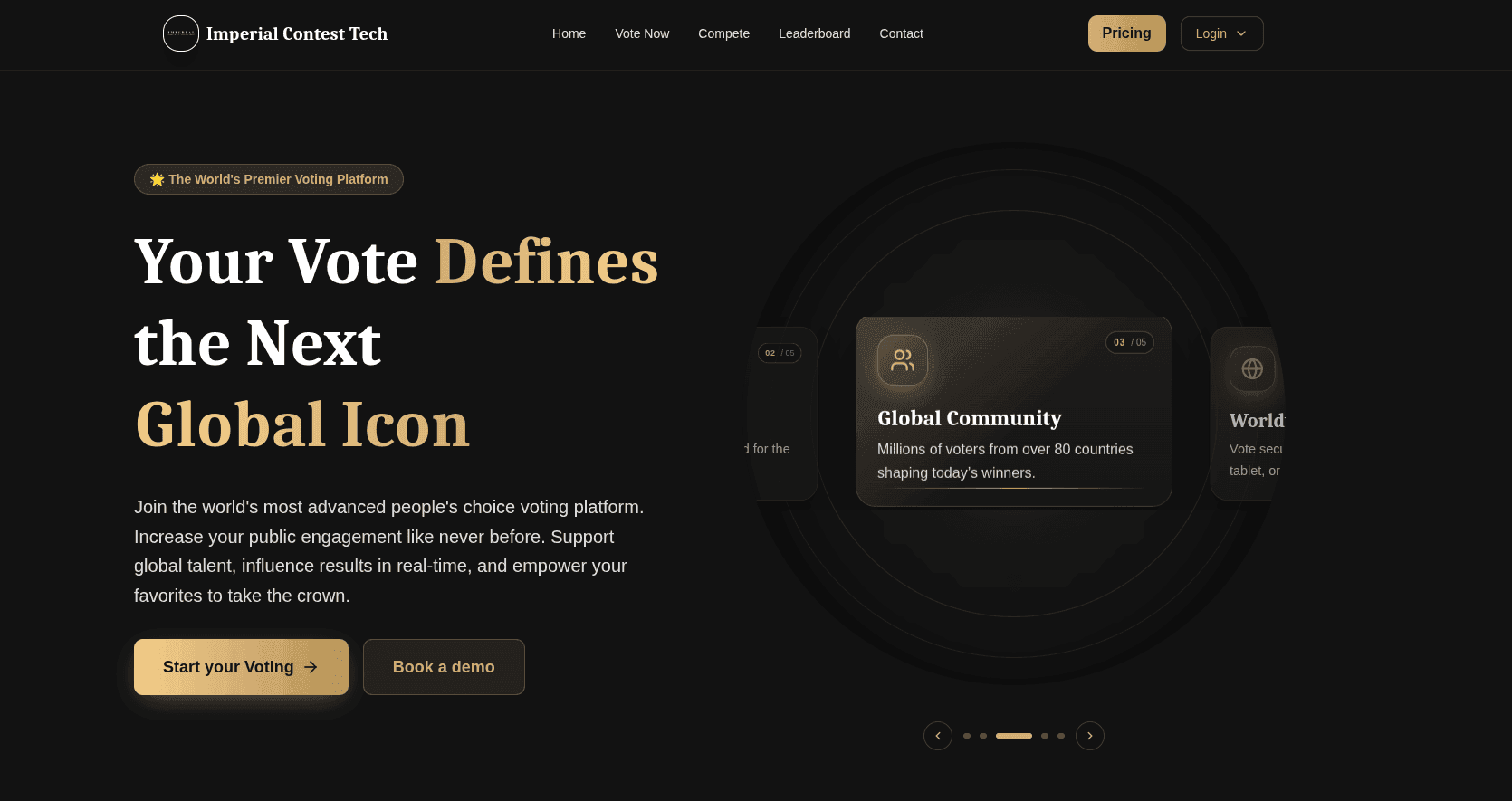
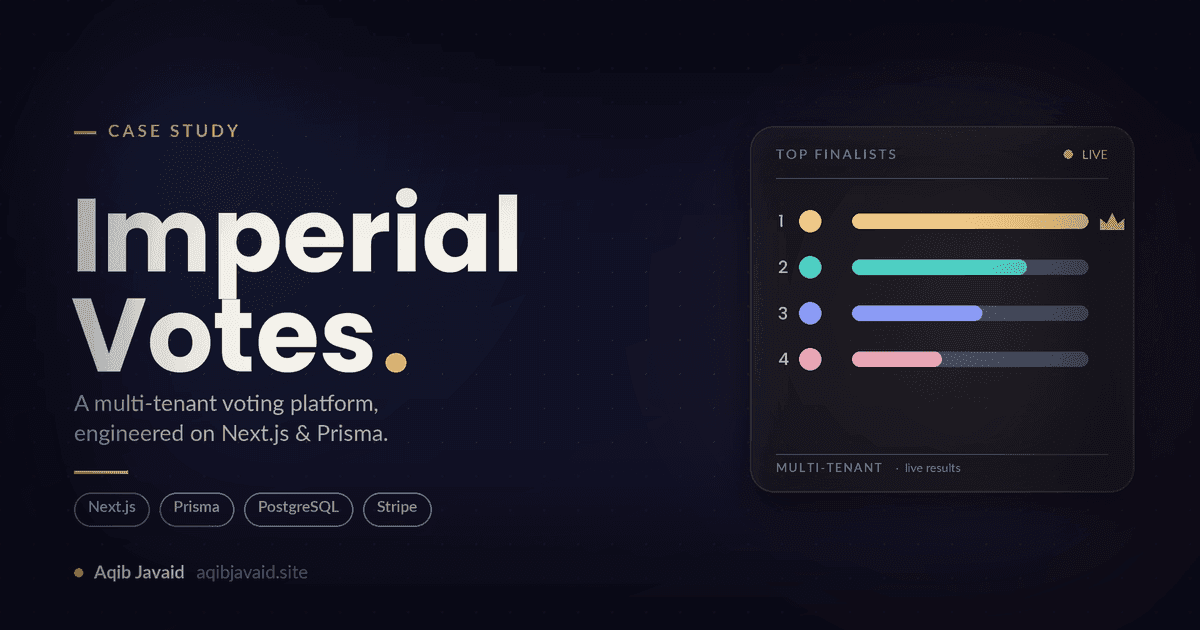
- Imperial Votes: a multi-tenant competition platform built from a blank Next.js app, with Prisma, PostgreSQL, Stripe, Paystack and Socket.IO. JP Robberts of Imperial Tech Suit said everything was "delivered far above expectation, within budget and on time".
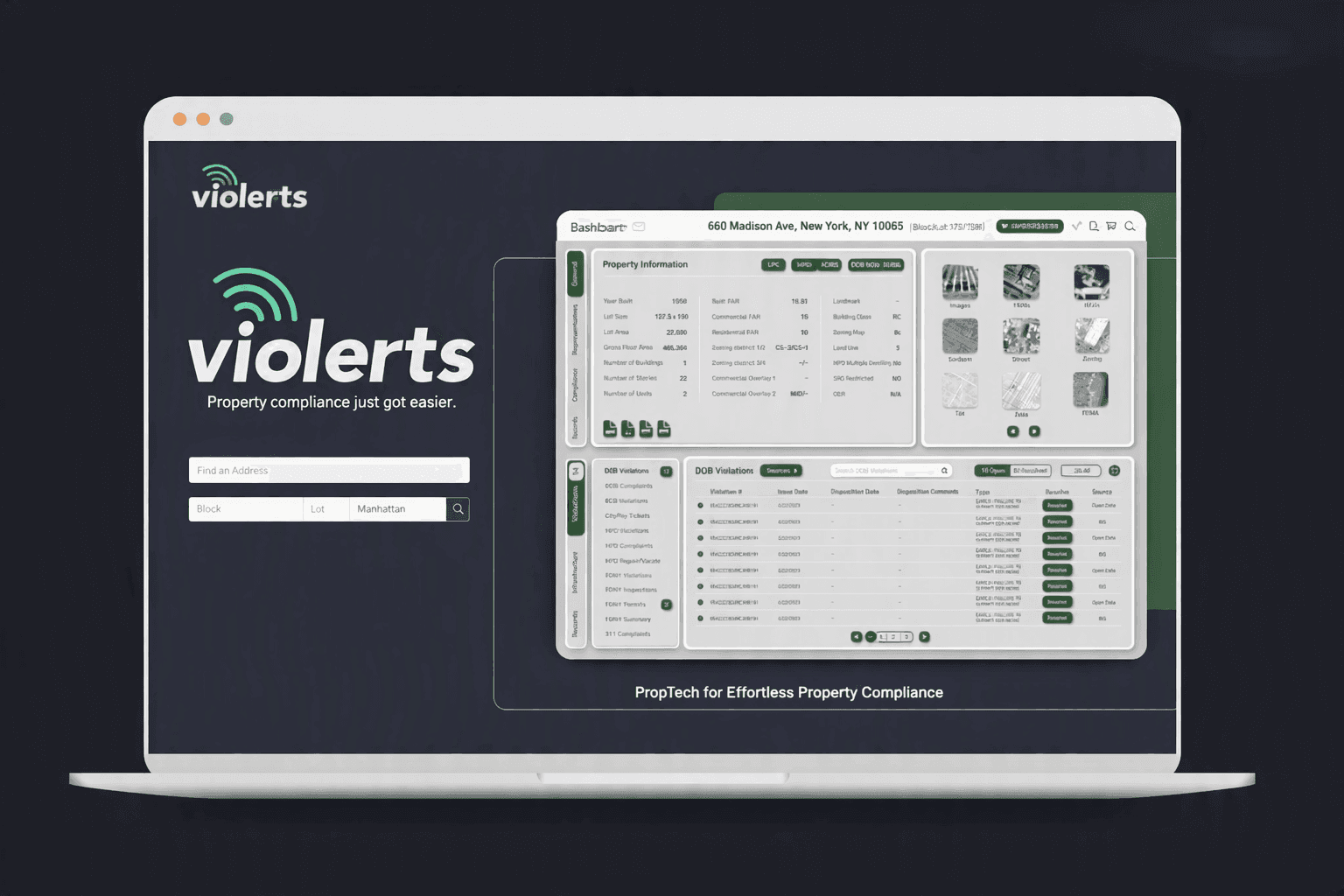
- Violerts: a React and Laravel SaaS where modernizing the frontend gave a 60%+ performance improvement in the affected workflows.
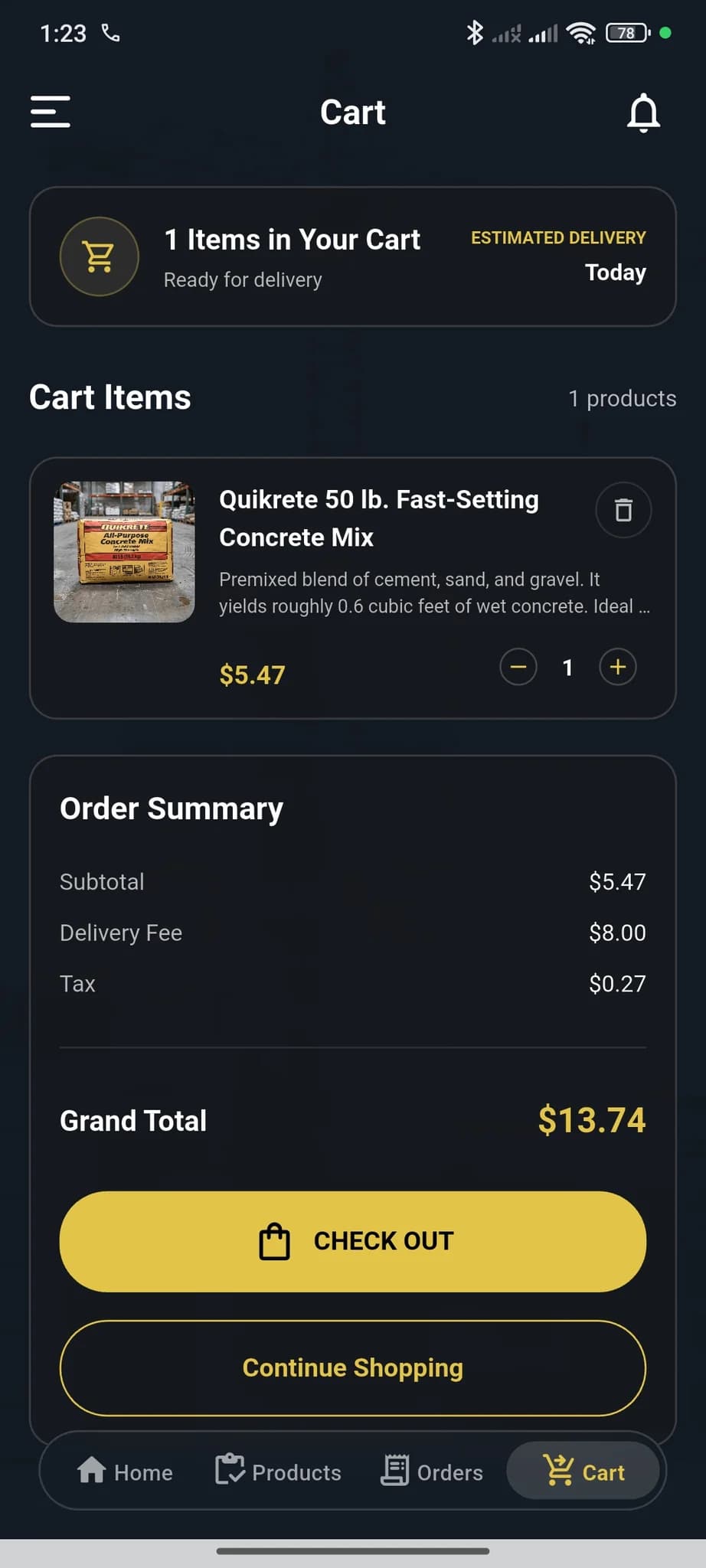
- ION DASH: Flutter customer and driver apps on a Laravel API, with automated dispatch and Stripe billing.
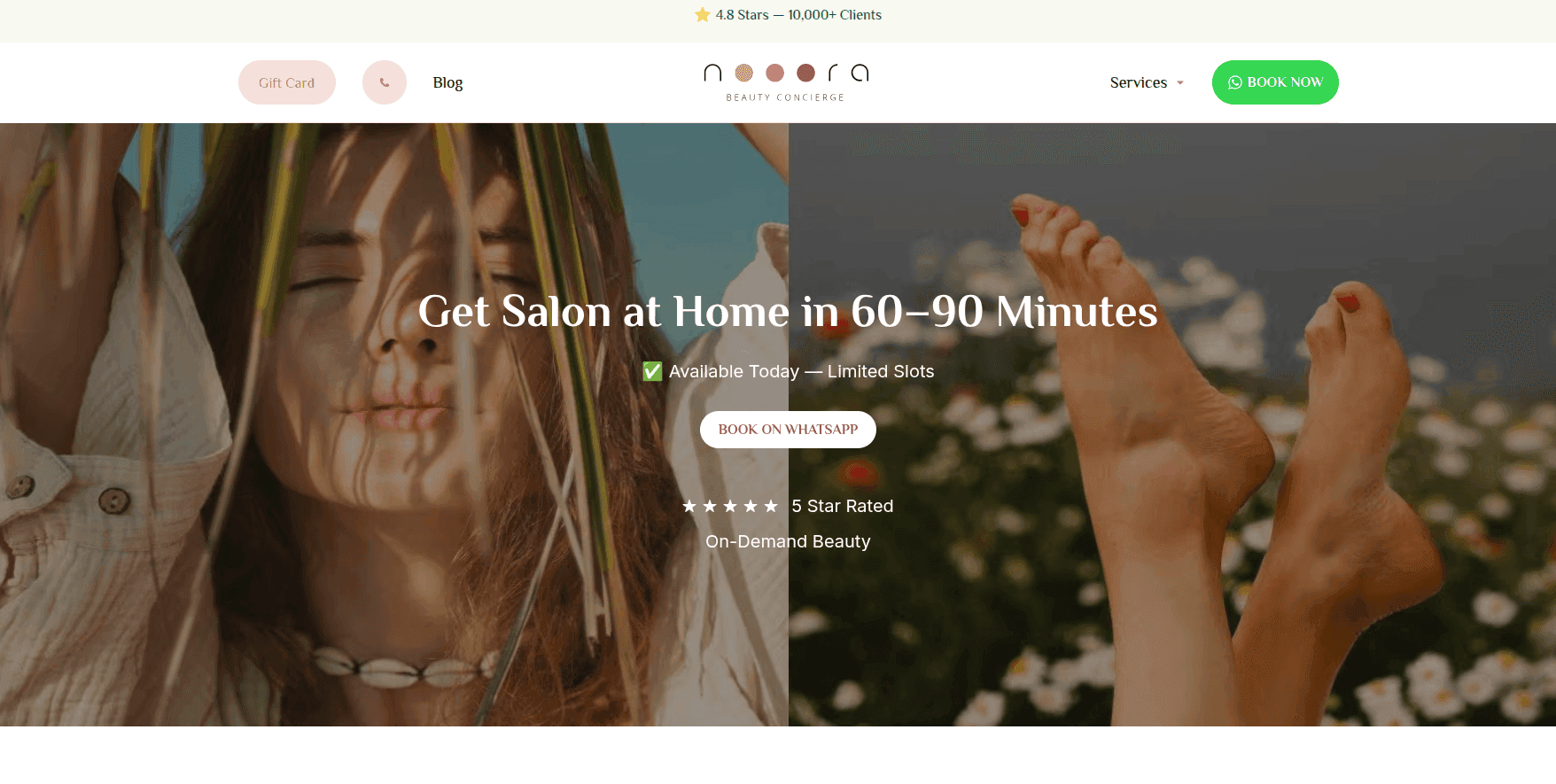
- Nooora: a half-built Dubai beauty services website rebuilt into a fully CMS-driven Next.js and Strapi platform with an SEO and answer-engine foundation.
What you have at handover#
At the end of a full-stack engagement you should be able to run the product without me, even if you choose not to. That means:
- the full source code in your repository, with a clear README for setting it up locally;
- environments for staging and production, deployed through a repeatable pipeline;
- documentation for the data model, the API and any integrations;
- admin tools for everyday operations, so your team isn't asking a developer to change data;
- monitoring and backups that someone has actually tested.
If you'd like me to keep developing the product, that continues on a retainer. If you're hiring an in-house team, the handover is designed so they can pick it up in days, not months.
Finishing what others started#
A lot of full-stack work is rescue. An agency ran out of time, a freelancer disappeared, or the first version can't take the next feature. I start with a short audit of the codebase, keep what is sound, and replace what isn't, so you pay for progress rather than a rewrite. Planuojam and Nooora both followed this path, and so did the move from a legacy delivery app to ION DASH. For older systems, see legacy application modernization.
Working together#
It starts with a free 30-minute call. If we're a fit, you get a written scope, milestones and an estimate. Fixed-scope projects suit well-defined builds; a monthly retainer suits ongoing product development. You'll have a staging environment from the first week, regular written updates, and a codebase in your own repository.
Ready to talk about your application? Book a free call or send the details.