How to Migrate WordPress to Next.js Without Losing SEO
A practical plan for moving a WordPress site to Next.js while keeping your search rankings: URL mapping, redirects, metadata, structured data, sitemaps and post-launch monitoring.
Modernizing aging PHP and Laravel applications step by step: upgrades, migrations from core PHP and refactoring without stopping the business.
Showing 6 of 6 articles
A practical plan for moving a WordPress site to Next.js while keeping your search rankings: URL mapping, redirects, metadata, structured data, sitemaps and post-launch monitoring.
What drives the cost of modernizing a legacy PHP application, how to size the work before you commit, and where the budget usually goes wrong.

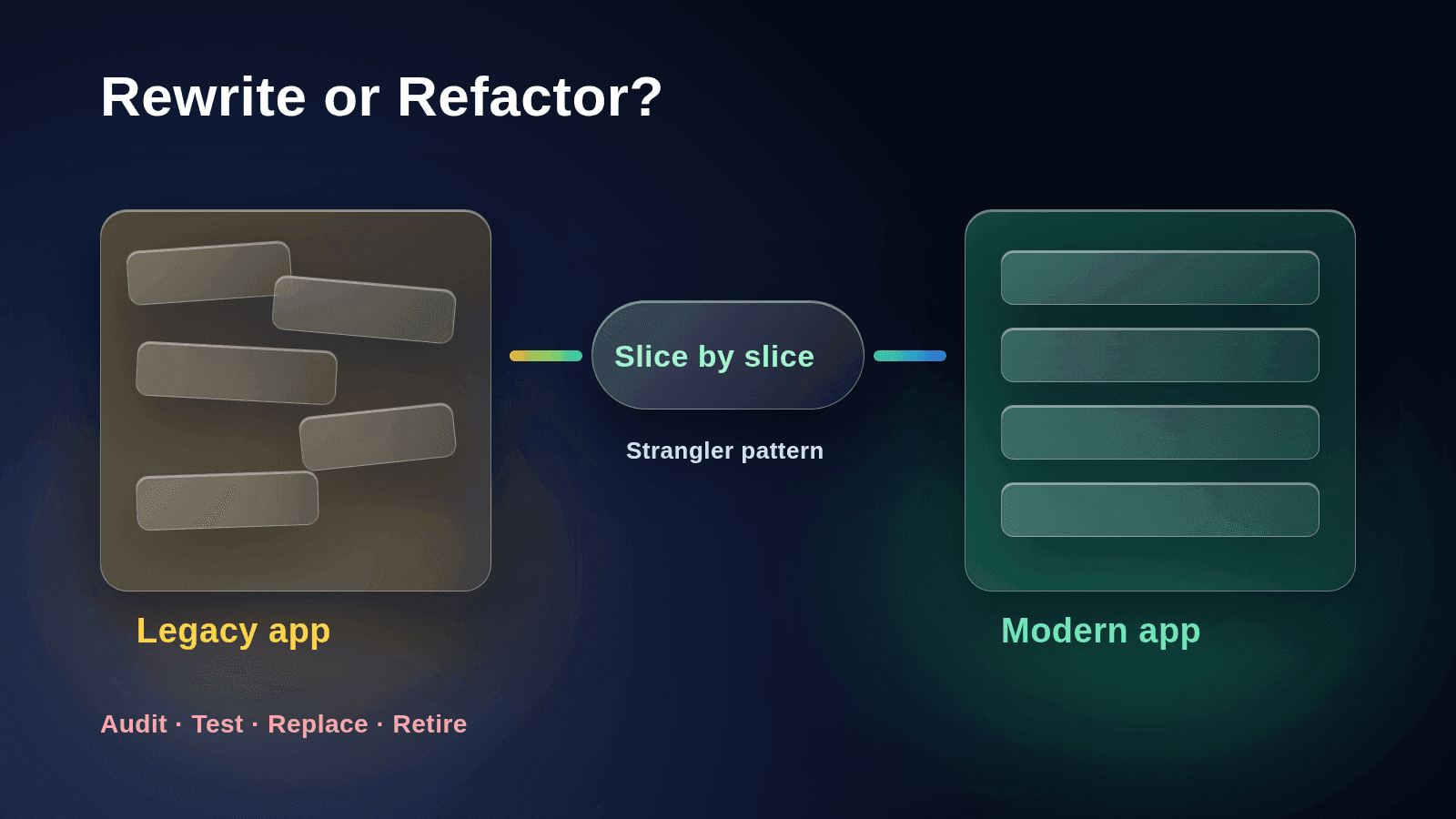
Should you rewrite or refactor your legacy application? Use this practical framework to decide, see why big-bang rewrites fail, and learn the incremental path that usually wins.

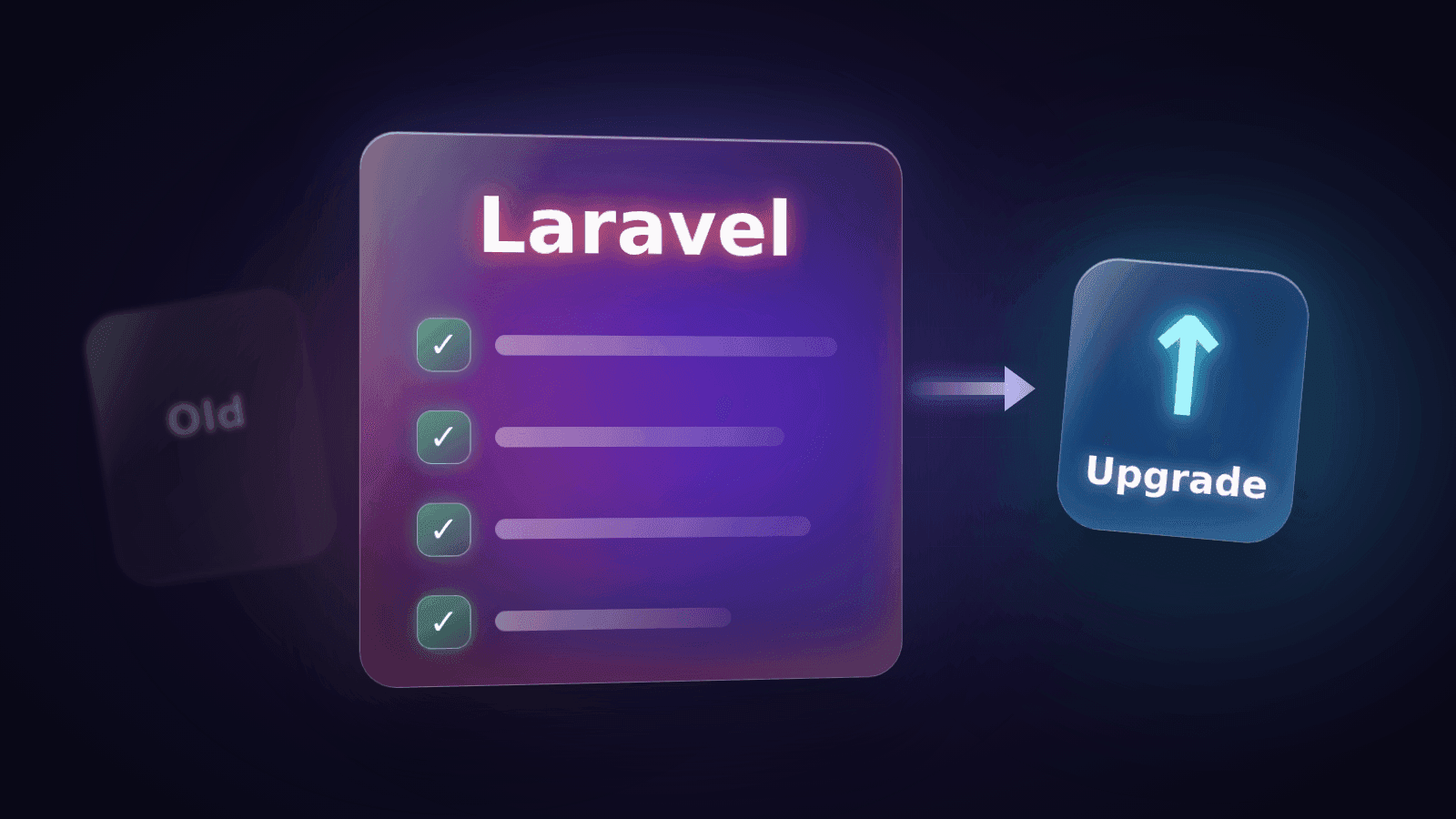
A practical Laravel upgrade checklist for old apps: what to check before you start, how to upgrade one major version at a time, how to test, and how to deploy with a rollback plan.

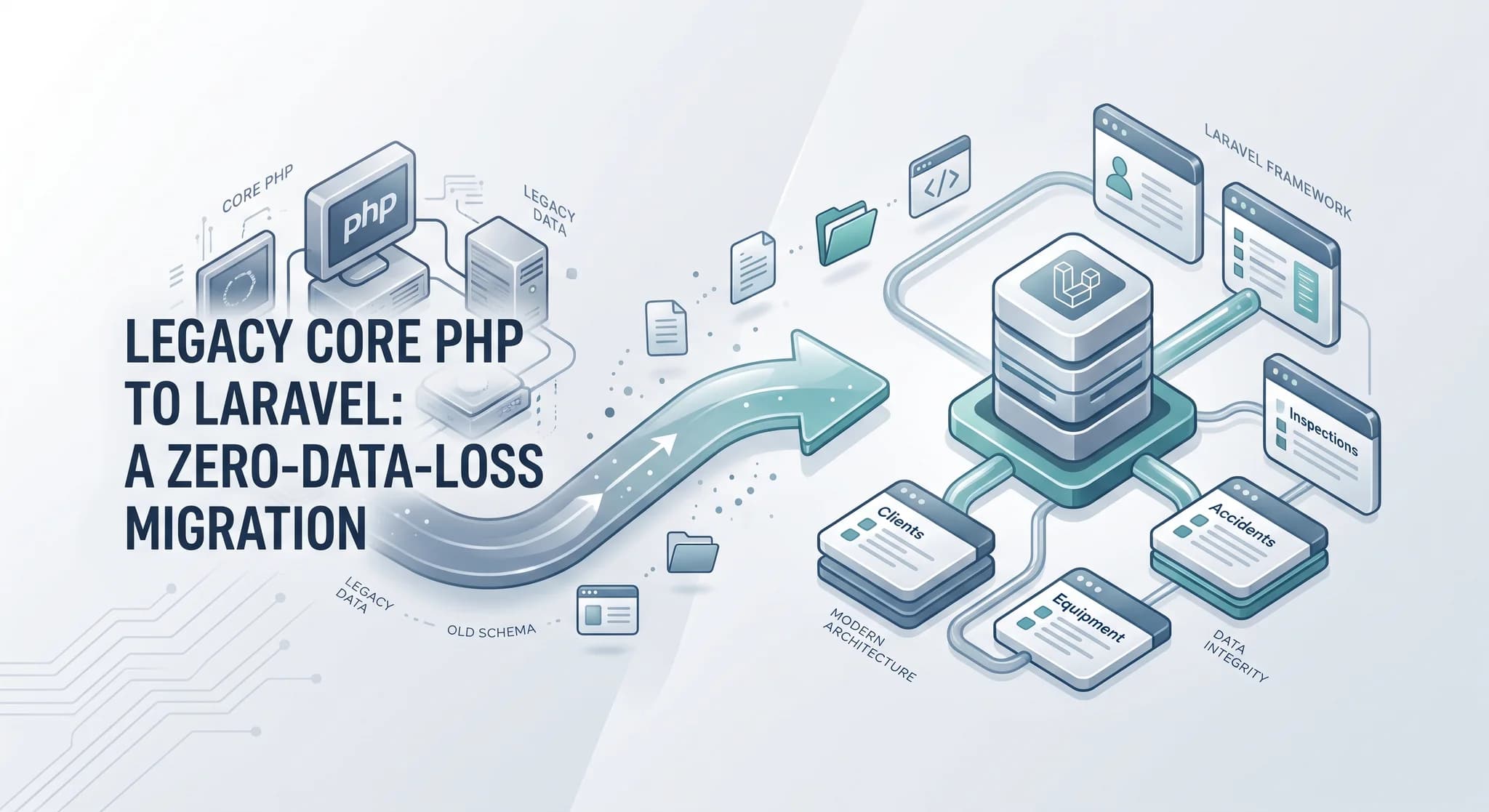
Rebuilding the application was only half the job. The harder part was moving years of unreliable data and client assets without breaking production.

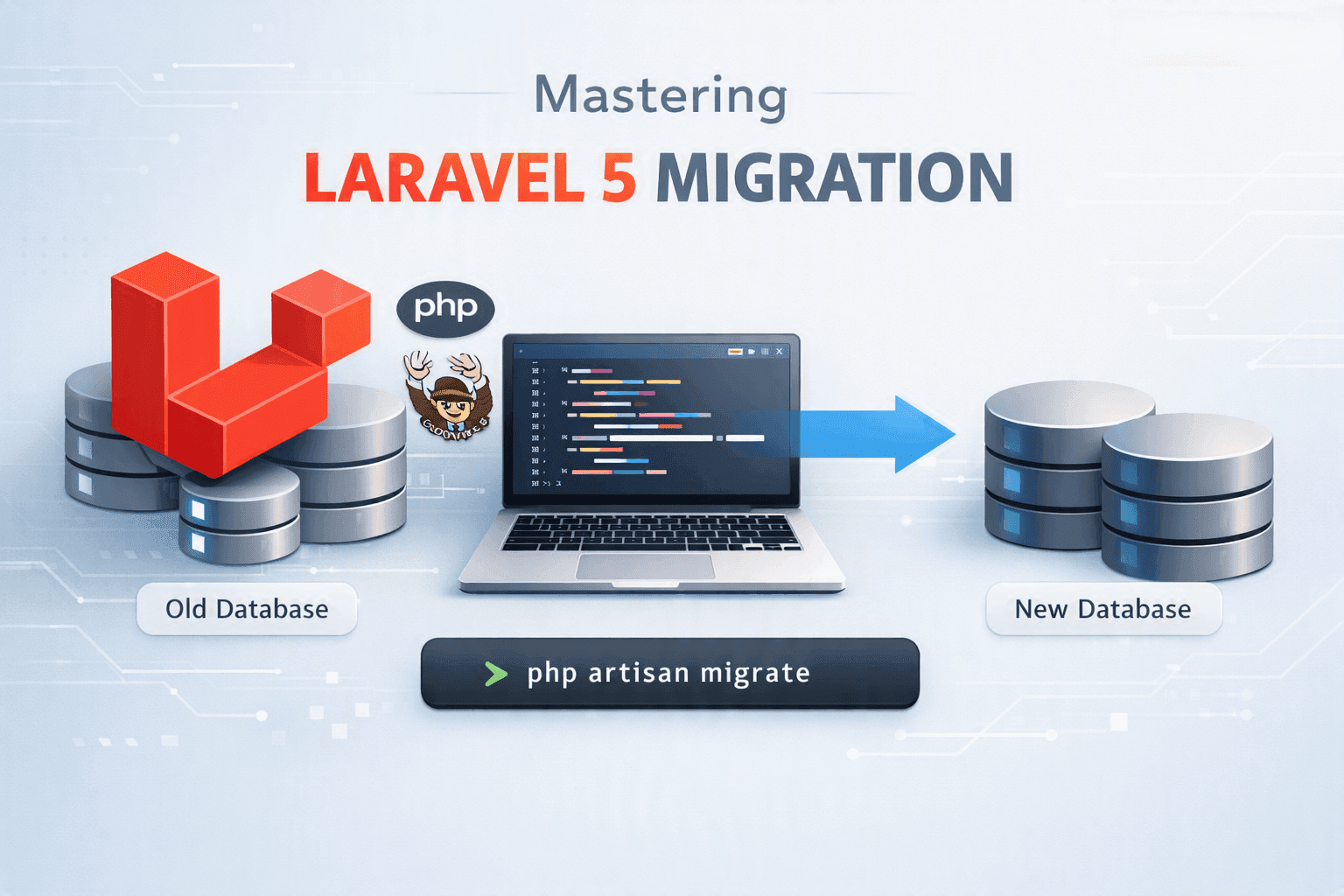
Migrating Laravel 5 is rarely just a framework upgrade. I break down how I assess legacy systems, plan the migration, reduce risk, and modernize safely.
Old applications rarely break overnight. They get more expensive: every change takes longer, security patches pile up, and only one person understands how it works. These articles cover modernizing them in stages rather than betting everything on a rewrite.
Topics include upgrading old Laravel versions, migrating framework-less core PHP into Laravel, and auditing a codebase to decide what to keep, refactor or replace.
Running a business-critical legacy app? See legacy application modernization. An audit is often the best first step, so book a free call to discuss it.